Getting a jewelry appraisal should give you confidence, not confusion. However, if you choose the wrong buyer or appraiser, you could receive a low estimate, unclear information, or pressure to sell before you fully understand the value of your jewelry. For anyone searching for Phoenix jewelry appraisal services, knowing how to avoid scams is one of the most important steps before bringing in gold, diamonds, Rolex watches, silver, estate jewelry, or designer pieces.
Whether you want to sell gold, compare a gold buyer, request a jewelry appraisal, use jewelry as collateral, or visit a trusted luxury pawn shop, the process should feel transparent and professional. For clients in Phoenix, Scottsdale, Mesa, Gilbert, Chandler, Tempe, Queen Creek, Fountain Hills, Cave Creek, Peoria, Surprise, Glendale, Goodyear, and Avondale, working with a reputable local expert can help protect both your valuables and your peace of mind.
Biltmore Loan offers confidential jewelry appraisals, gold and silver buying, Rolex evaluations, estate jewelry assessments, and discreet luxury collateral loans for Arizona clients who want a safer alternative to the average pawn shop.
Why Jewelry Appraisal Scams Happen
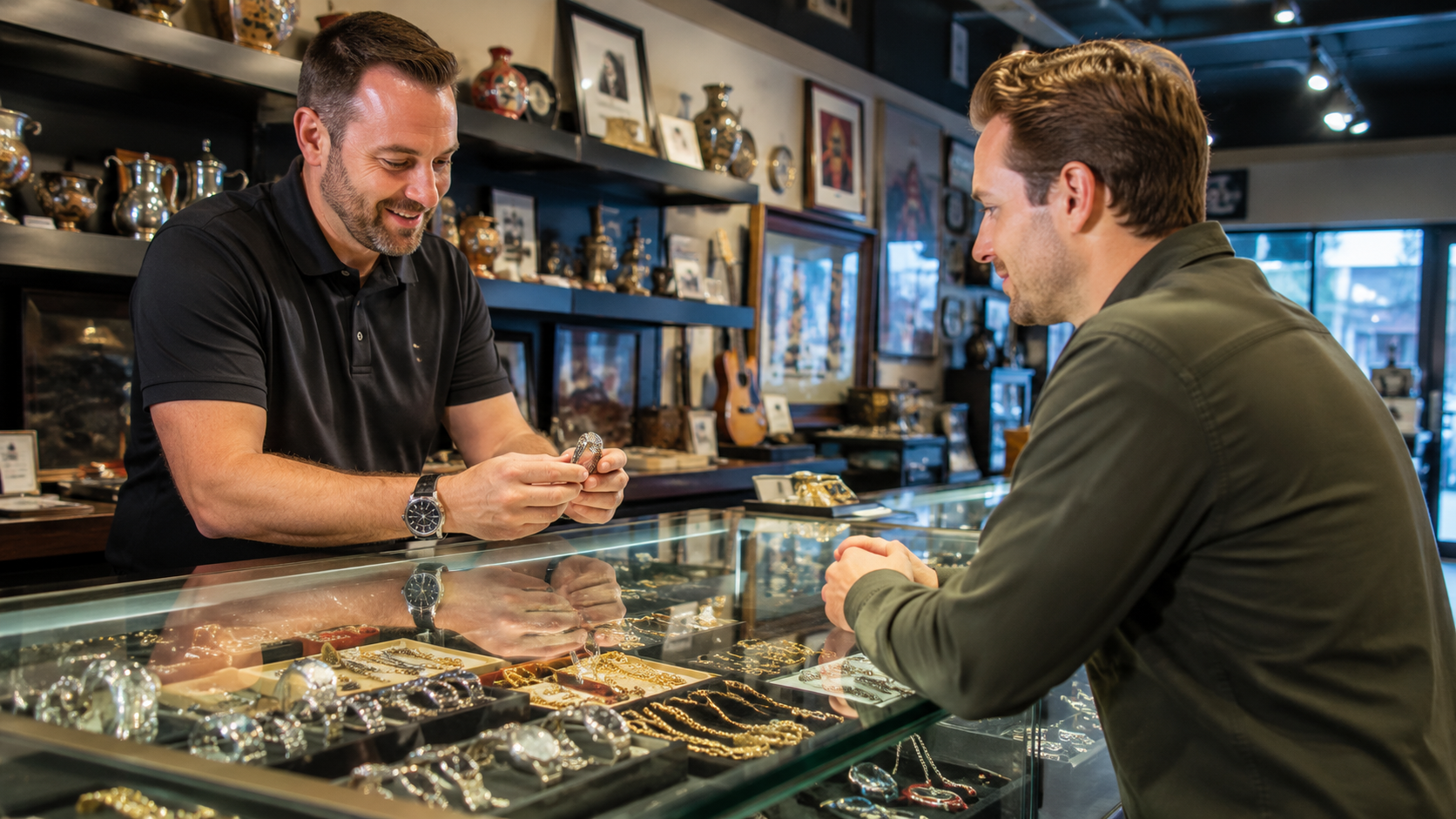
Jewelry appraisal scams often happen because many owners do not know what their items are worth. Gold, diamonds, gemstones, Rolex watches, silver, and estate jewelry can be difficult to evaluate without professional knowledge. As a result, dishonest buyers may take advantage of that uncertainty.
For example, someone may bring in an inherited diamond ring and receive an offer based only on the gold setting. Similarly, a designer bracelet may be treated like scrap metal even though it has resale value beyond gold weight. In other cases, a Rolex watch may be undervalued because the buyer does not understand model demand, reference numbers, or authenticity factors.
Because jewelry can hold both emotional and financial value, scams can be especially frustrating. Therefore, choosing a transparent appraisal provider matters from the beginning.
Red Flag #1: The Appraiser Pressures You to Sell Immediately
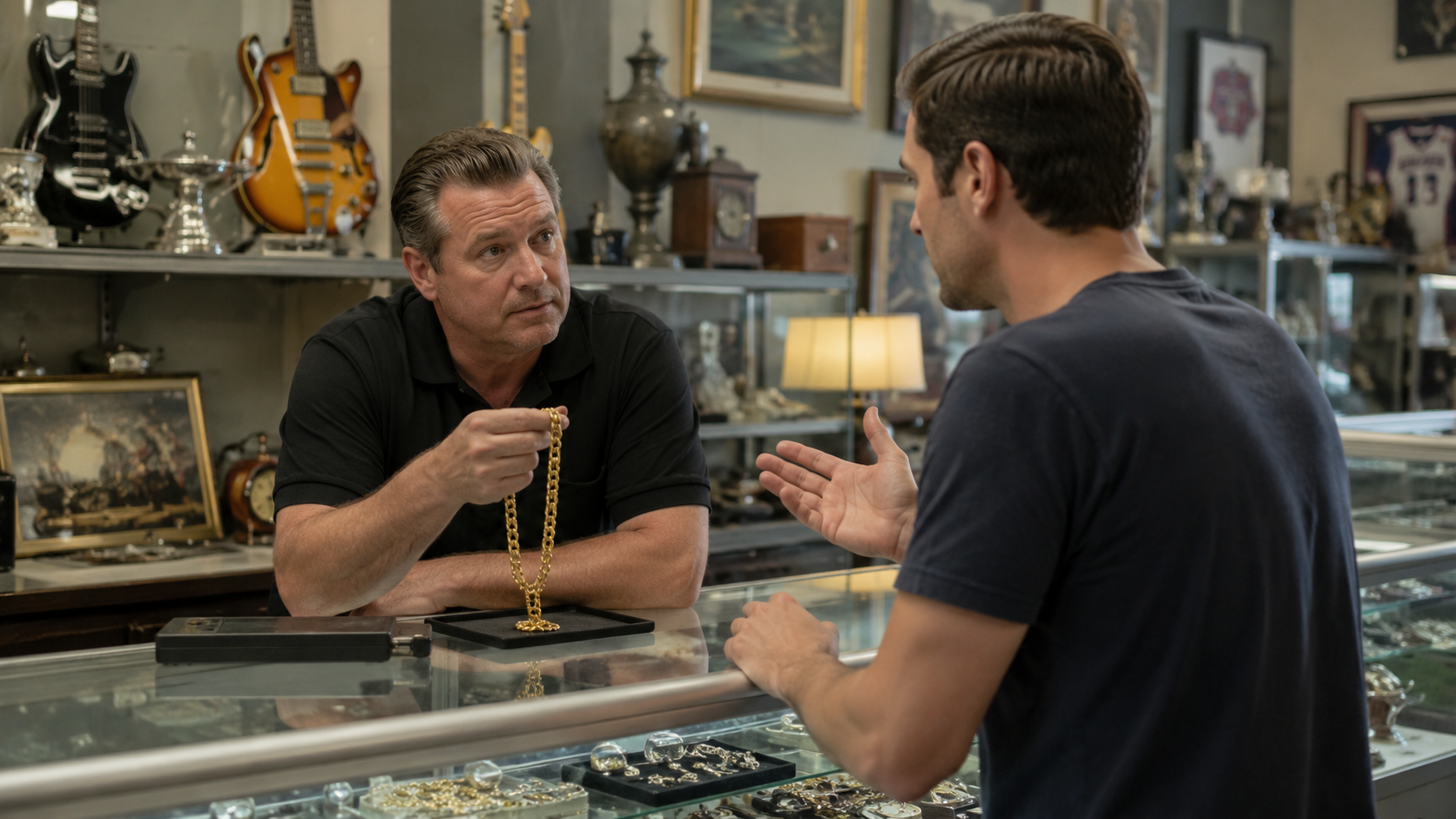
A trustworthy appraiser should never pressure you into selling on the spot. If someone says the offer is only valid for a few minutes, that is a warning sign.
Be cautious if you hear statements like:
- “You need to decide right now.”
- “This offer will disappear today.”
- “No one else will pay you more.”
- “Do not bother getting another opinion.”
- “Your jewelry is not worth much, so take the offer.”
These tactics are designed to make you rush. However, a professional appraisal should give you time to ask questions, compare options, and decide whether selling, borrowing, or keeping the item makes sense.
Biltmore Loan focuses on helping clients understand value before making a financial decision. As a result, the process feels more respectful and informed.
Red Flag #2: They Do Not Explain How Value Is Determined
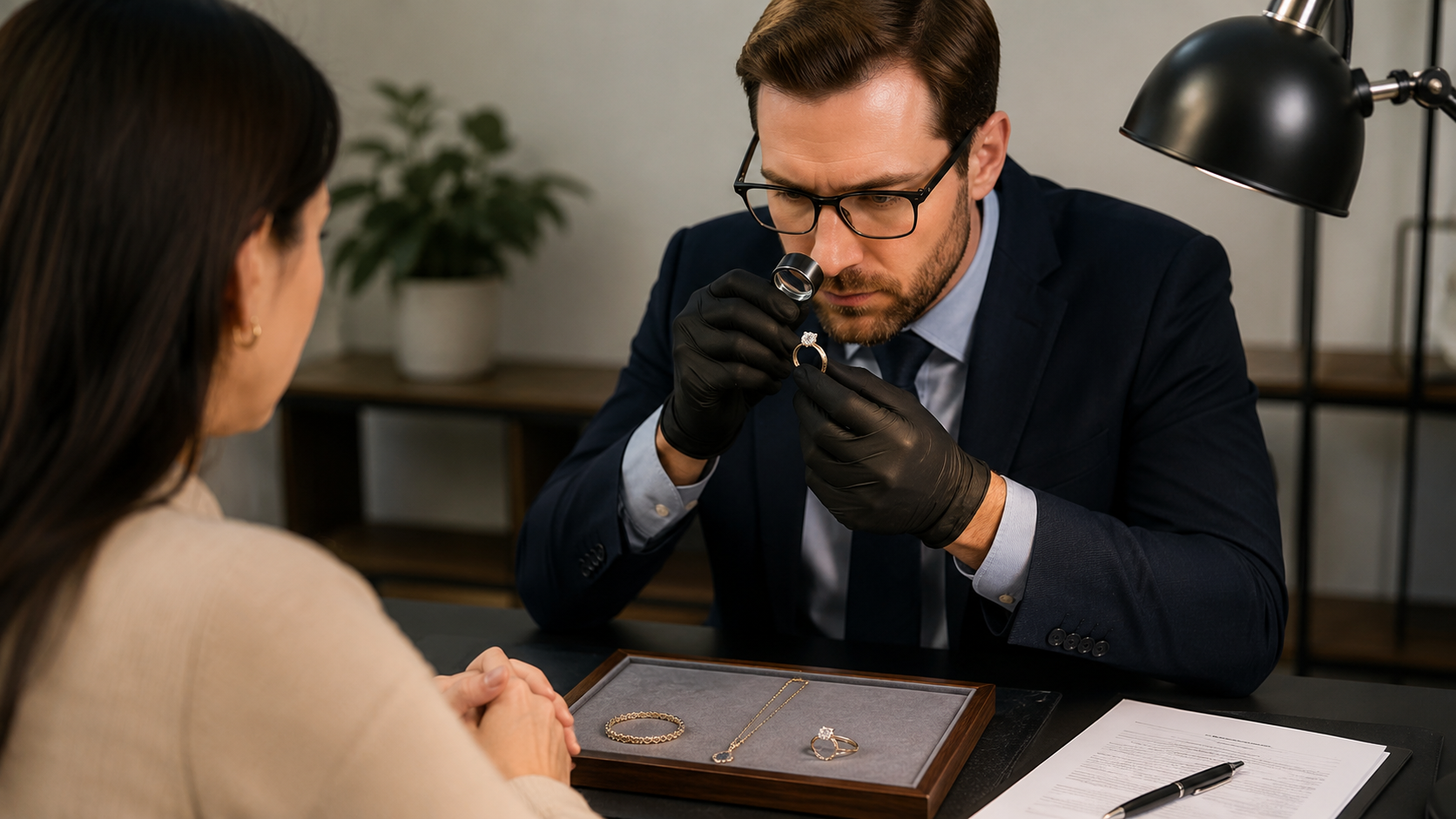
A legitimate jewelry appraisal should include a clear explanation. If an appraiser gives you a number without explaining how they reached it, you may not be receiving a reliable evaluation.
A professional appraisal may consider:
- Metal type and purity
- Gold karat
- Item weight
- Diamond quality
- Gemstone type and condition
- Designer marks
- Craftsmanship
- Age and estate value
- Condition
- Market demand
- Resale potential
For gold jewelry, value may depend on karat purity, weight, current market conditions, and whether the piece has designer or gemstone value. Meanwhile, diamond jewelry requires review of stone size, cut, clarity, color, and setting quality.
If the appraiser cannot explain these details, proceed carefully. In many cases, vague explanations are used to hide a low offer.
Red Flag #3: Your Gold Is Treated Only as Scrap
Many people seek jewelry appraisals because they want to sell gold or sell gold jewelry. However, one common scam is treating every gold item as scrap, even when the piece may have additional value.
Gold jewelry may be worth more if it includes:
- Diamonds
- Gemstones
- Designer signatures
- Antique craftsmanship
- Estate value
- Rare design
- Collectible appeal
- High resale demand
For instance, a broken gold chain may be valued mainly for metal content. However, a signed designer bracelet or antique gold ring may be worth more as finished jewelry. Therefore, a trusted gold buyer should explain whether your piece is being valued for scrap, resale, or collateral value.
The best place to sell gold is not always the nearest pawn shop. Instead, it is the buyer who explains the evaluation clearly and handles your item with care.
Red Flag #4: The Scale or Testing Process Is Hidden
When gold or silver is being appraised, the weighing and testing process should be transparent. If your jewelry is taken to a back room without explanation, you may not know whether the weight, purity, or testing method was handled properly.
A reliable gold and silver buyer should be willing to explain:
- What karat the gold appears to be
- Whether the item is solid gold, plated, or gold-filled
- How the weight affects value
- How silver purity is identified
- Whether stones or settings affect the offer
- How market factors influence payout
Transparency helps prevent misunderstandings. Additionally, it gives you confidence that each item is being evaluated fairly.
If the shop refuses to explain the process, that is a serious red flag.
Red Flag #5: The Appraiser Ignores Diamonds and Gemstones
Jewelry value is not always about gold or silver. Diamonds, sapphires, rubies, emeralds, and other gemstones can significantly affect value. Therefore, an appraisal that ignores stones may be incomplete.
A proper gemstone or diamond review may include:
- Stone type
- Size or carat weight
- Cut
- Color
- Clarity
- Condition
- Certification
- Setting quality
- Market demand
However, not every stone adds the same resale value. Because of this, a trustworthy appraiser should explain how gemstones affect the overall evaluation. If they skip this step, you could receive an offer that does not reflect the full value of the piece.
This is especially important for engagement rings, estate jewelry, designer pieces, and inherited collections.
Red Flag #6: Designer Jewelry Is Not Recognized
Designer jewelry can carry value beyond metal and gemstones. Brands, signatures, craftsmanship, and resale demand may all matter. If an appraiser does not check for hallmarks, stamps, or designer marks, the appraisal may be incomplete.
Designer jewelry may include:
- Signed gold bracelets
- Luxury diamond rings
- Designer necklaces
- Estate brooches
- High-end earrings
- Platinum pieces
- Collectible jewelry sets
Because designer pieces can be undervalued by inexperienced buyers, it is important to choose a luxury-focused appraisal provider. A general pawn shop may focus only on weight, while a more experienced luxury pawn shop may recognize resale value, brand appeal, and craftsmanship.
Red Flag #7: Estate Jewelry Is Rushed Through the Process
Estate jewelry deserves careful attention. Often, inherited collections include a mix of gold, silver, diamonds, gemstones, Rolex watches, antique pieces, and designer jewelry. If everything is rushed into one vague offer, important value may be missed.
Estate jewelry appraisals should consider:
- Metal content
- Diamond and gemstone quality
- Age and style
- Designer signatures
- Condition
- Craftsmanship
- Documentation
- Resale potential
- Sentimental considerations
- Loan versus sale options
Families in Scottsdale, Fountain Hills, Cave Creek, Queen Creek, Phoenix, Chandler, Gilbert, and Mesa often seek estate jewelry appraisals because they want clarity before selling or dividing assets. In addition, a professional appraisal can help prevent family confusion by explaining value in a more organized way.
Red Flag #8: Rolex Watches Are Treated Like Ordinary Watches
Many jewelry appraisal visits include Rolex watches or other luxury timepieces. However, Rolex watches require specialized knowledge. A buyer who does not understand Rolex models may undervalue the watch significantly.
A Rolex appraisal should consider:
- Model
- Reference number
- Serial number
- Case condition
- Bracelet condition
- Dial and bezel details
- Service history
- Box and papers
- Authenticity
- Original parts
- Current market demand
If you want to sell Rolex watches or use one as collateral, the appraiser should understand luxury watch markets. A Rolex Submariner, Daytona, Datejust, Day-Date, GMT-Master II, Yacht-Master, Explorer, or Sea-Dweller should not receive a generic watch estimate.
Because Biltmore Loan evaluates Rolex watches as well as jewelry, clients can receive a more complete luxury asset review.
Red Flag #9: Loan Terms Are Confusing
Some clients visit a jewelry appraisal provider because they want a collateral loan rather than a sale. This can be a smart option if you need temporary liquidity but want to keep ownership of your jewelry, Rolex, or luxury asset.
However, unclear loan terms can create problems. Before accepting a collateral loan, you should understand:
- Loan amount
- Fees or interest
- Repayment timeline
- Renewal options
- Storage process
- What happens if you do not repay
- Documentation provided
- How your item is protected
A reputable luxury pawn shop should explain every term clearly. If the terms feel vague or rushed, do not move forward until you understand them.
Red Flag #10: There Is No Written Documentation
A professional jewelry appraisal or transaction should include clear documentation. If a shop avoids paperwork, that is a warning sign.
Documentation may include:
- Appraisal details
- Purchase offer information
- Loan agreement
- Item descriptions
- Terms and conditions
- Identification requirements
- Payment details
Written information protects both the client and the business. Moreover, it helps you remember what was discussed, especially if you are comparing offers from multiple buyers.
If someone offers cash but refuses to provide clear details, reconsider the transaction.
How to Protect Yourself Before a Jewelry Appraisal
Preparation can help you avoid scams and feel more confident during the appraisal process. Before visiting a Phoenix jewelry appraisal provider, take a few simple steps.
First, gather all related paperwork. Receipts, previous appraisals, diamond grading reports, Rolex box and papers, service records, estate documents, and insurance records can support the evaluation.
Next, organize your items by category. Separate gold, silver, watches, diamonds, and costume jewelry when possible. This makes it easier for the appraiser to review each item properly.
Also, avoid cleaning or repairing valuable pieces before the appraisal unless a professional recommends it. Some antique jewelry, estate pieces, or vintage watches may be better evaluated in their current condition.
Finally, prepare questions. A trustworthy appraiser should welcome questions and explain value clearly.
Questions to Ask During a Jewelry Appraisal
Asking questions is one of the best ways to avoid scams. If the appraiser gives clear answers, you can feel more confident. However, if they avoid details, that may indicate a problem.
Helpful questions include:
- What type of metal is this?
- What karat is the gold?
- Are the diamonds or gemstones affecting value?
- Is this being valued as scrap or finished jewelry?
- Does the designer name matter?
- Is there estate or antique value?
- Can this be used for a collateral loan?
- How do you determine the offer?
- Do you also evaluate Rolex watches?
- Is the transaction confidential?
- Will I receive documentation?
These questions help reveal whether the appraiser is knowledgeable and transparent. In addition, they can help you compare offers more fairly.
A good appraisal should provide support without pressure, helping you understand your options before making a decision.
Why Comparing Appraisers Can Help
Getting more than one opinion can be helpful, especially for high-value jewelry, estate collections, Rolex watches, or diamond pieces. However, do not compare only the final number. Instead, compare the quality of the explanation.
A strong appraiser should explain:
- What the item is
- How it was evaluated
- What factors increased or reduced value
- Whether selling or borrowing is an option
- How payment or loan terms work
- What documentation you receive
A higher offer from an unclear buyer may not be better than a fair, well-explained offer from a reputable luxury pawn shop. Ultimately, trust and transparency should matter as much as payout.
Why Local Expertise Matters in Phoenix
Local expertise matters because Phoenix and Scottsdale have active markets for gold, jewelry, Rolex watches, estate pieces, and luxury collateral lending. A local professional understands both the assets and the needs of Arizona clients.
In Chandler, Gilbert, and Mesa, many families seek appraisals after inheritance, downsizing, or major life changes. Meanwhile, Tempe and Glendale clients may need fast liquidity without traditional bank delays.
In Fountain Hills, Cave Creek, and Queen Creek, high-value estate jewelry, diamonds, Rolex watches, and designer pieces may require careful private evaluation. Additionally, Peoria, Surprise, Goodyear, and Avondale residents often want reliable gold buyers and luxury pawn shop alternatives close to home.
Because each community has different needs, working with a trusted local provider can make the appraisal process more convenient and secure.
Why Privacy Matters During an Appraisal
Jewelry appraisals can be personal. You may be evaluating an engagement ring, inherited jewelry, family heirloom, Rolex watch, or asset connected to a financial decision. Therefore, privacy should be part of the experience.
A professional setting should feel discreet, secure, and respectful. You should not have to discuss valuable items or personal financial needs in an uncomfortable environment.
Privacy is especially important for:
- Estate executors
- High-net-worth clients
- Business owners
- Families selling inherited jewelry
- Rolex owners
- Professionals seeking collateral loans
- Clients comparing gold buyers
- Individuals handling personal transitions
A luxury pawn shop should provide a more confidential experience than a typical pawn shop counter. As a result, clients can ask questions and make decisions with greater comfort.
Signs of a Trustworthy Jewelry Appraisal Provider
A trustworthy appraisal provider should make the process feel clear from start to finish. Before choosing a provider, look for signs of professionalism.
A strong provider should offer:
- Transparent evaluations
- Clear explanations
- Private service
- Knowledge of gold and silver
- Diamond and gemstone review
- Rolex and luxury watch experience
- Estate jewelry expertise
- No-pressure recommendations
- Safe handling
- Written terms
- Professional communication
On the other hand, avoid shops that rush the appraisal, pressure you to sell, hide testing methods, or refuse to explain how value was determined.
The right provider should leave you feeling informed, not uncertain.
Common Scams to Watch for Before Selling Jewelry
Some scams are obvious, while others are subtle. Because first-time sellers may not know what to expect, it helps to recognize common warning signs.
Watch out for:
- Offers based only on gold weight when gemstones or designer value exist
- Pressure to sell immediately
- Hidden scales or testing methods
- Refusal to discuss karat purity
- Vague diamond evaluations
- Estate jewelry treated as scrap
- Rolex watches treated like generic watches
- No documentation
- Confusing loan terms
- Unprofessional handling
- Cash offers without clear explanation
If any of these issues appear, pause before accepting the offer. A legitimate appraiser should have no problem explaining the process.
Why Biltmore Loan Is a Trusted Choice for Phoenix Jewelry Appraisal
Biltmore Loan offers confidential jewelry appraisals, gold and silver buying, Rolex evaluations, estate jewelry assessments, competitive purchase offers, and discreet luxury collateral loans for clients who want a safer alternative to the average pawn shop.
Contact Biltmore Loan today to discover the value of your gold, jewelry, Rolex, or luxury asset with confidence, privacy, and professionalism.