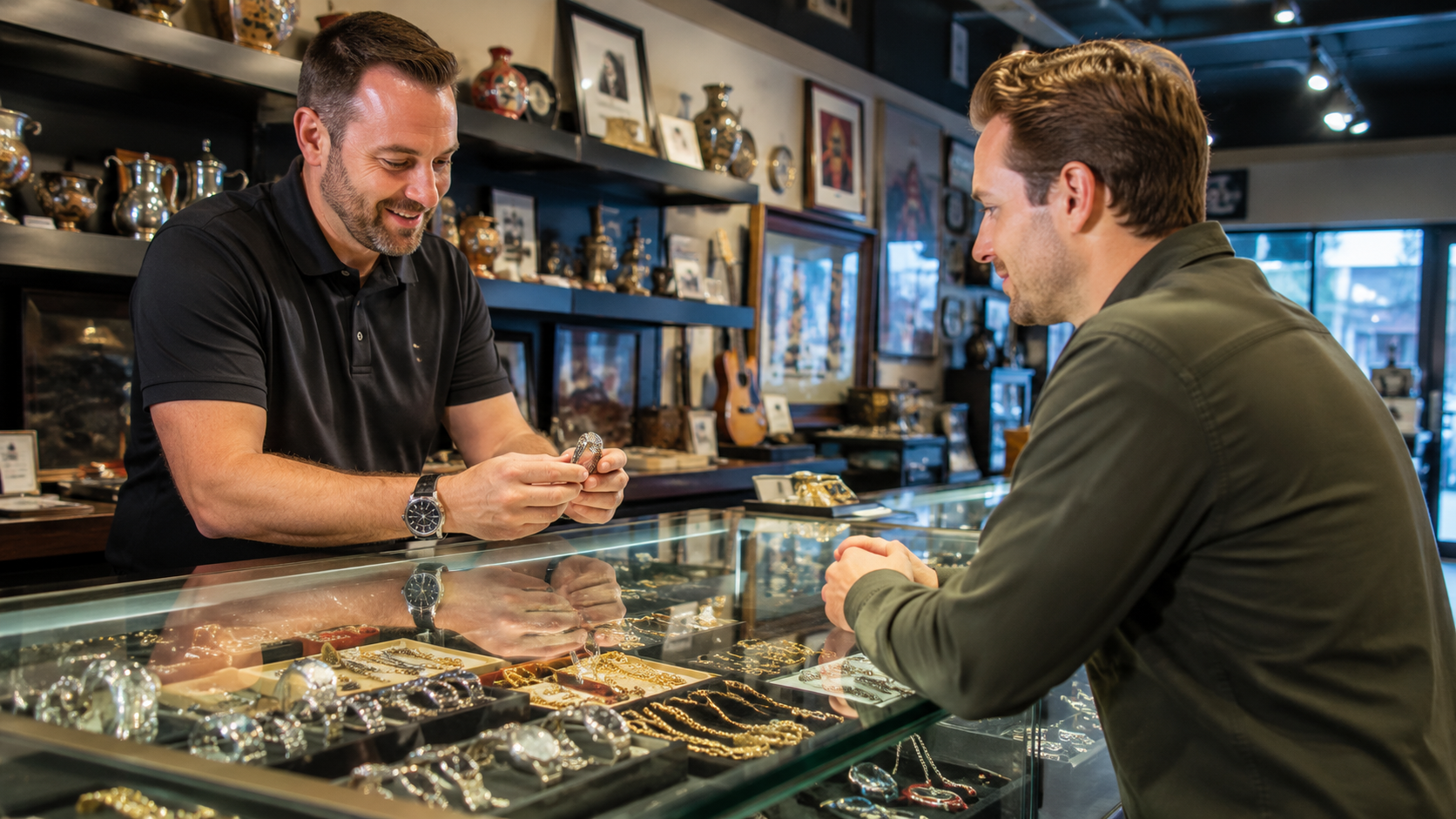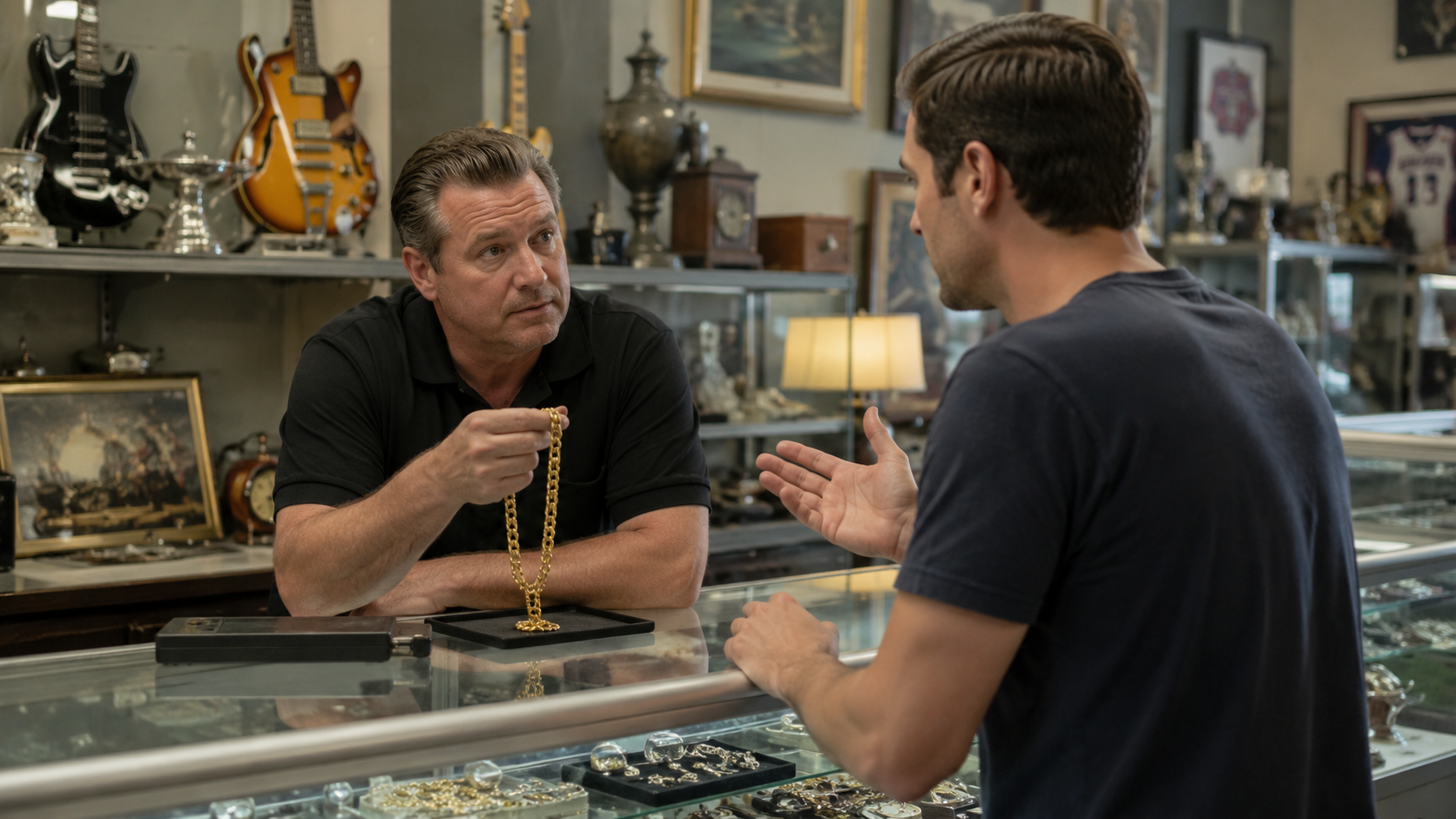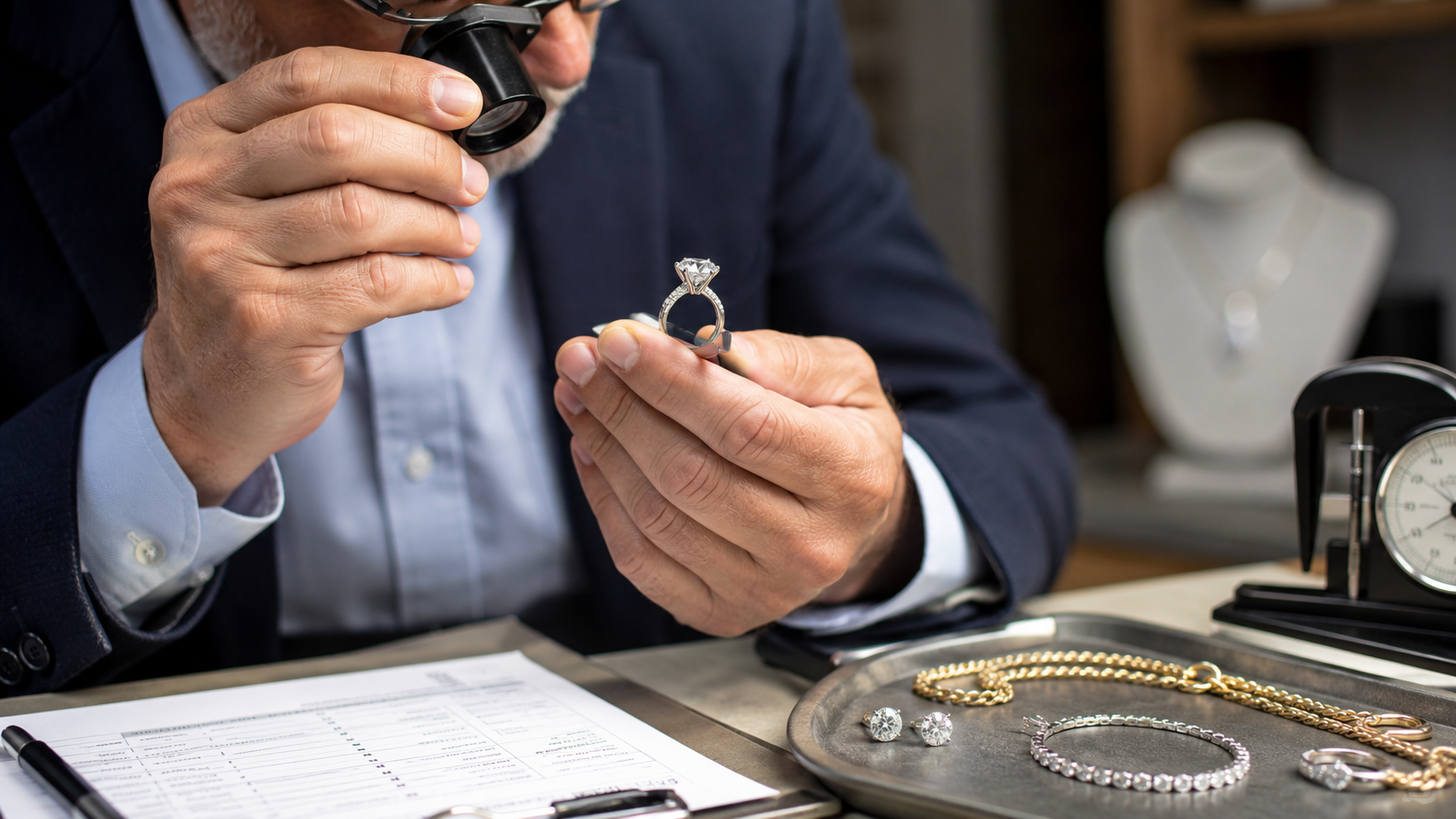
A professional Phoenix jewelry appraisal helps you understand what your jewelry, gold, diamonds, Rolex watches, silver, estate pieces, or designer items may be worth before you sell, borrow, insure, or make an important financial decision. Because jewelry value depends on many factors, a quick glance or vague estimate is rarely enough.
For clients in Phoenix, Scottsdale, Mesa, Gilbert, Chandler, Tempe, Queen Creek, Fountain Hills, Cave Creek, Peoria, Surprise, Glendale, Goodyear, and Avondale, the right appraisal can provide clarity, confidence, and protection. Whether you want to sell gold, compare a gold buyer, request a jewelry appraisal, use a Rolex as collateral, or evaluate inherited estate jewelry, understanding what determines value can help you avoid low offers and rushed decisions.
Biltmore Loan offers confidential jewelry appraisals, gold and silver buying, Rolex evaluations, estate jewelry assessments, and discreet luxury collateral loans for Arizona clients who want a professional alternative to the average pawn shop.
Why Jewelry Appraisal Value Is Not Based on One Factor
Many first-time appraisal clients assume jewelry value is based only on gold weight or diamond size. However, a true appraisal looks at several details together. Metal content matters, but so do gemstones, brand, craftsmanship, condition, age, market demand, and documentation.
For example, a plain gold chain may be valued mainly by karat and weight. In contrast, a designer gold bracelet with diamonds may carry additional resale value. Likewise, an estate ring may have value because of age, craftsmanship, or rarity, even if it does not look modern.
Because jewelry can include both material value and market value, a professional appraisal should explain each factor clearly. Otherwise, you may not know whether your item is being valued as scrap, finished jewelry, estate jewelry, or collateral.
Metal Type and Purity
One of the first things an appraiser reviews is metal type. Gold, platinum, silver, and other precious metals all have different values. Therefore, identifying the metal correctly is essential.
Gold is often marked as:
- 10K
- 14K
- 18K
- 22K
- 24K
Silver may be marked as:
- 925 sterling silver
- 999 fine silver
- Coin silver
- Silver bullion
Platinum may also carry significant value, especially in fine jewelry and diamond settings. However, markings can wear down or be missing, so a professional may test the item to confirm purity.
If you plan to sell gold or sell gold jewelry, this step is especially important. A trusted gold buyer should explain how karat purity and weight affect the appraisal. Additionally, the buyer should clarify whether the piece has value beyond metal content.
Weight and Precious Metal Market Conditions
After metal type and purity are reviewed, weight becomes another important factor. Precious metals are often valued partly by weight, especially when the item is broken, outdated, or unlikely to resell as finished jewelry.
However, market conditions also matter. Gold and silver prices change over time, and those changes can influence offers for jewelry, coins, bullion, and scrap pieces.
Common items affected by metal value include:
- Broken gold chains
- Gold rings and bracelets
- Silver coins
- Gold watches
- Sterling silver jewelry
- Gold earrings
- Silver bullion
- Platinum settings
- Scrap gold
- Inherited gold pieces
Even so, weight is not the whole story. A heavy gold bracelet may have strong metal value, yet a lighter designer piece may have stronger resale demand. For this reason, the best place to sell gold is usually a buyer who looks at both metal value and finished jewelry value.
Diamonds and Gemstone Quality
Diamonds and gemstones can greatly affect jewelry appraisal value. However, not every stone adds the same amount of resale or collateral value. A professional appraisal should review stone quality carefully and explain how it affects the final evaluation.
Diamond value may depend on:
- Carat weight
- Cut quality
- Color
- Clarity
- Shape
- Certification
- Setting condition
- Market demand
Gemstones such as sapphires, rubies, emeralds, and pearls may also influence value. In addition, factors like color intensity, treatment, origin, size, and condition may matter.
For instance, a diamond ring with a well-cut center stone may appraise differently than a ring with several small accent stones. Similarly, a gemstone may appear beautiful but have limited resale value if it is heavily treated or damaged.
Because stone quality can be complex, first-time appraisal clients should ask how diamonds or gemstones are being evaluated. A trustworthy appraiser should be able to explain the difference between visual appeal, resale value, and collateral value.
Designer Brand and Signature Marks
Designer jewelry can be worth more than similar unsigned pieces. Because brand recognition, craftsmanship, and resale demand all matter, an appraiser should check for signatures, hallmarks, stamps, and maker’s marks.
Designer value may apply to:
- Gold bracelets
- Diamond rings
- Luxury necklaces
- Signed earrings
- Estate brooches
- Platinum pieces
- Designer watch jewelry
- High-end jewelry sets
However, a brand name must be authentic and relevant to the resale market. Therefore, an appraiser should not simply assume value based on appearance. Instead, they should inspect markings, construction, condition, and overall market demand.
This is one reason clients often choose a luxury pawn shop instead of a basic pawn shop. A general buyer may focus only on metal weight, while a luxury-focused appraiser may recognize added value from designer appeal.
Craftsmanship and Design
Jewelry value can also depend on how the piece was made. Fine craftsmanship, detailed settings, hand-finished elements, and quality construction may increase value, especially when paired with precious metals or gemstones.
An appraiser may review:
- Setting quality
- Stone security
- Design complexity
- Handmade details
- Symmetry
- Finish
- Durability
- Repair history
- Overall style
In some cases, craftsmanship can help determine whether a piece should be valued as finished jewelry rather than scrap. For example, an antique gold brooch with intricate detailing may be worth more than its metal weight alone. Likewise, a high-quality diamond setting may improve resale potential.
Nevertheless, design trends also matter. Some pieces are timeless, while others may be harder to resell because the style is outdated. A professional appraisal should explain these differences clearly.
Condition and Wear
Condition has a major impact on jewelry appraisal value. Even valuable materials can lose resale appeal if the piece is damaged, missing stones, bent, broken, heavily worn, or poorly repaired.
Common condition issues include:
- Scratches
- Missing stones
- Loose prongs
- Broken clasps
- Bent ring shanks
- Worn settings
- Damaged chains
- Heavy polishing
- Cracked gemstones
- Previous repairs
However, damage does not always mean an item has little value. Broken gold jewelry may still have strong metal value. In addition, some estate or antique pieces may retain value despite normal wear if the design, age, or craftsmanship is desirable.
Before repairing or cleaning jewelry, it is wise to request an appraisal first. In some cases, unnecessary repairs can reduce originality or cost more than they add in value.
Age, Estate Value, and Rarity
Estate jewelry can be especially valuable, but it must be evaluated carefully. Age alone does not guarantee high value. However, certain antique, vintage, or rare pieces may attract stronger interest because of design, materials, maker, condition, or historical appeal.
Estate jewelry may include:
- Antique rings
- Gold bracelets
- Diamond brooches
- Platinum jewelry
- Designer pieces
- Rolex watches
- Gemstone necklaces
- Sterling silver
- Signed jewelry
- Family heirlooms
Because inherited collections often include mixed items, each piece should be reviewed separately. Some may be worth more as finished jewelry, while others may be valued mainly for gold or silver content.
Families in Scottsdale, Fountain Hills, Cave Creek, Queen Creek, and Phoenix often seek estate jewelry appraisals because they want clarity before selling, dividing, or borrowing against inherited assets. Meanwhile, clients in Chandler, Gilbert, Mesa, Glendale, Peoria, Surprise, Goodyear, and Avondale may need guidance when sorting family jewelry collections.
Current Market Demand
Market demand is one of the most important but least understood appraisal factors. Even if an item is made from gold or diamonds, its resale value depends partly on whether buyers want that style, brand, stone, or model.
Market demand may affect:
- Diamond engagement rings
- Gold jewelry
- Designer pieces
- Rolex watches
- Estate jewelry
- Silver coins
- Luxury watches
- Platinum jewelry
- Gemstone pieces
For example, a classic diamond solitaire may have stronger resale demand than a highly personalized custom ring. Similarly, a Rolex watch may hold strong market appeal because of model popularity, condition, and documentation.
Because demand changes, a professional appraiser should consider both material value and market value. This helps clients understand why two similar-looking pieces may receive different offers.
Documentation and Provenance
Paperwork can support appraisal value, although it is not always required. Documentation helps verify details and may increase buyer confidence.
Helpful documents may include:
- Original receipts
- Previous appraisals
- Diamond grading reports
- Certificates of authenticity
- Rolex box and papers
- Watch service records
- Estate documents
- Insurance records
- Designer packaging
- Repair records
For diamonds, grading reports can clarify cut, color, clarity, and carat weight. For Rolex watches, box and papers may support authenticity and market appeal. Meanwhile, estate documents can provide helpful background for inherited pieces.
Even without paperwork, an experienced luxury appraiser can still evaluate many items. However, bringing documentation can make the process smoother and more complete.
Rolex Watches and Luxury Timepieces
Many jewelry appraisal appointments include Rolex watches or other luxury timepieces. However, Rolex appraisal requires watch-specific expertise. A general jewelry buyer may not fully understand model demand, reference numbers, or the importance of original parts.
A Rolex evaluation may consider:
- Model
- Reference number
- Serial number
- Case condition
- Bracelet condition
- Dial and bezel details
- Box and papers
- Service history
- Authenticity
- Original parts
- Current market demand
If you want to sell Rolex watches or use one as collateral, the watch should not be treated like ordinary jewelry. A Rolex Submariner, Daytona, Datejust, Day-Date, GMT-Master II, Yacht-Master, Explorer, or Sea-Dweller requires careful review.
Because Biltmore Loan evaluates both jewelry and Rolex watches, clients can receive a more complete luxury asset assessment in one professional setting.
Gold and Silver Buying Considerations
Jewelry appraisals often overlap with gold and silver buying. If you are working with a gold and silver buyer, the appraisal should separate different types of value.
Gold jewelry may have:
- Metal value
- Gemstone value
- Designer value
- Estate value
- Resale value
- Collateral value
Silver items may include:
- Sterling silver jewelry
- Silver coins
- Silver bullion
- Flatware
- Estate silver
- Designer silver pieces
Because each category is different, a clear appraisal should explain what is being evaluated and why. For example, silver bullion may be valued differently than antique silver flatware. Likewise, a gold bracelet with diamonds should not be valued the same way as scrap gold.
Resale Value Versus Insurance Value
One important point first-time clients should understand is that not every appraisal number means the same thing. Insurance value, resale value, and collateral value can differ.
Insurance value may reflect replacement cost. Resale value may reflect what a buyer is willing to pay in the current market. Collateral value may reflect what a lender can responsibly loan against the item.
Therefore, before the appraisal begins, explain your goal. Are you trying to sell, borrow, insure, divide estate assets, or simply understand value? Once the appraiser knows the purpose, they can explain the most relevant type of valuation.
This distinction helps prevent confusion. It also helps clients compare offers more fairly.
Selling Versus Borrowing Against Jewelry
A jewelry appraisal can help you decide whether to sell or use the item as collateral. Selling may be the right choice if you no longer wear the piece or want a final transaction. However, borrowing may be better if the item has sentimental value or you only need temporary funds.
Selling may make sense if:
- You want immediate cash
- You inherited jewelry you do not want
- The item is broken or unused
- You are upgrading your collection
- You prefer a final transaction
- Market conditions are favorable
A collateral loan may make sense if:
- You want to keep ownership
- You need short-term liquidity
- The item has personal meaning
- You want to avoid bank delays
- You plan to repay and retrieve the item
- You prefer private asset-based lending
Because both options can be useful, a professional luxury pawn shop should explain them clearly.
How Location Can Influence the Appraisal Experience
Location does not directly change the intrinsic value of gold or diamonds. However, it can affect the quality, convenience, privacy, and professionalism of the appraisal experience.
Phoenix and Scottsdale have active luxury markets, making them important areas for Rolex watches, diamond jewelry, gold, and estate pieces. Meanwhile, Chandler, Gilbert, and Mesa include many families and professionals seeking jewelry appraisals after inheritance, downsizing, or financial planning.
Tempe and Glendale clients may need quick liquidity without traditional bank delays. In Fountain Hills, Cave Creek, and Queen Creek, clients may own high-value estate jewelry and luxury assets that require discreet evaluation. Additionally, Peoria, Surprise, Goodyear, and Avondale residents often want reliable gold buyers and professional pawn shop alternatives close to home.
A trusted local provider can make the appraisal process more convenient and confidential.
Questions to Ask During a Jewelry Appraisal
Asking questions can help you understand what determines value. Moreover, it helps you identify whether the appraiser is knowledgeable and transparent.
Helpful questions include:
- What type of metal is this?
- What karat is the gold?
- Are the diamonds natural or lab-created?
- How do gemstones affect value?
- Is this worth more as finished jewelry or scrap?
- Does the designer name matter?
- Is there estate or antique value?
- Can this be used for a collateral loan?
- How does condition affect the appraisal?
- Do you also evaluate Rolex watches?
- Will I receive clear terms if I borrow?
- Is the transaction confidential?
A trustworthy appraiser should answer clearly and patiently. If the explanation feels vague or rushed, that may be a sign to seek another opinion.
A strong appraisal combines experience with accuracy, helping clients understand value without pressure.
Common Mistakes That Can Lower Value
Sometimes, owners unintentionally reduce value before an appraisal. Fortunately, many mistakes can be avoided with preparation.
Common mistakes include:
- Cleaning antique jewelry too aggressively
- Repairing pieces without expert advice
- Leaving paperwork at home
- Separating sets or missing matching items
- Ignoring designer marks
- Treating estate jewelry as scrap
- Accepting a vague offer
- Not asking about gemstones
- Selling sentimental pieces too quickly
- Choosing a buyer without luxury expertise
Before visiting an appraiser, gather all related items and documents. If you have matching earrings, extra watch links, boxes, certificates, or older appraisals, bring them. These details may help the appraiser understand the full value of the asset.
Signs of a Trustworthy Jewelry Appraisal Provider
A trustworthy appraisal provider should make the process feel clear, professional, and respectful. Before choosing a Phoenix jewelry appraisal provider, look for signs of transparency and expertise.
A strong provider should offer:
- Private evaluations
- Clear explanations
- Knowledge of gold and silver
- Diamond and gemstone review
- Rolex and luxury watch experience
- Estate jewelry expertise
- No-pressure recommendations
- Safe handling
- Competitive purchase offers
- Collateral loan options
- Professional communication
On the other hand, avoid appraisers who rush the process, pressure you to sell, hide testing methods, ignore gemstones, or refuse to explain how value was determined.
The right provider should help you feel informed, not uncertain.
Why Biltmore Loan Is a Trusted Choice for Phoenix Jewelry Appraisal
Biltmore Loan offers confidential jewelry appraisals, gold and silver buying, Rolex evaluations, estate jewelry assessments, competitive purchase offers, and discreet luxury collateral loans for clients who want a professional alternative to the average pawn shop.
Contact Biltmore Loan today to discover the value of your gold, jewelry, Rolex, or luxury asset with confidence, privacy, and professionalism.