Selling gold can be a smart way to unlock value from jewelry, coins, watches, or estate pieces you no longer use. However, before choosing a Scottsdale sell gold option, it is important to ask the right questions. The buyer you choose can affect your payout, your confidence, and the overall safety of the transaction.
Because gold value depends on purity, weight, market conditions, gemstones, designer value, and resale demand, not every buyer will evaluate your items the same way. Therefore, asking clear questions before you sell gold or sell gold jewelry can help you avoid low offers, confusing terms, and rushed decisions.
For clients in Scottsdale, Phoenix, Mesa, Gilbert, Chandler, Tempe, Queen Creek, Fountain Hills, Cave Creek, Peoria, Surprise, Glendale, Goodyear, and Avondale, Biltmore Loan offers confidential gold evaluations, gold and silver buying, jewelry appraisals, Rolex assessments, estate jewelry evaluations, and discreet luxury collateral loans.
Why Questions Matter Before You Sell Gold
Many people walk into a pawn shop or gold buyer without knowing what to ask. As a result, they may accept an offer without understanding how it was calculated. This can be risky, especially if the item includes diamonds, gemstones, designer marks, or estate value.
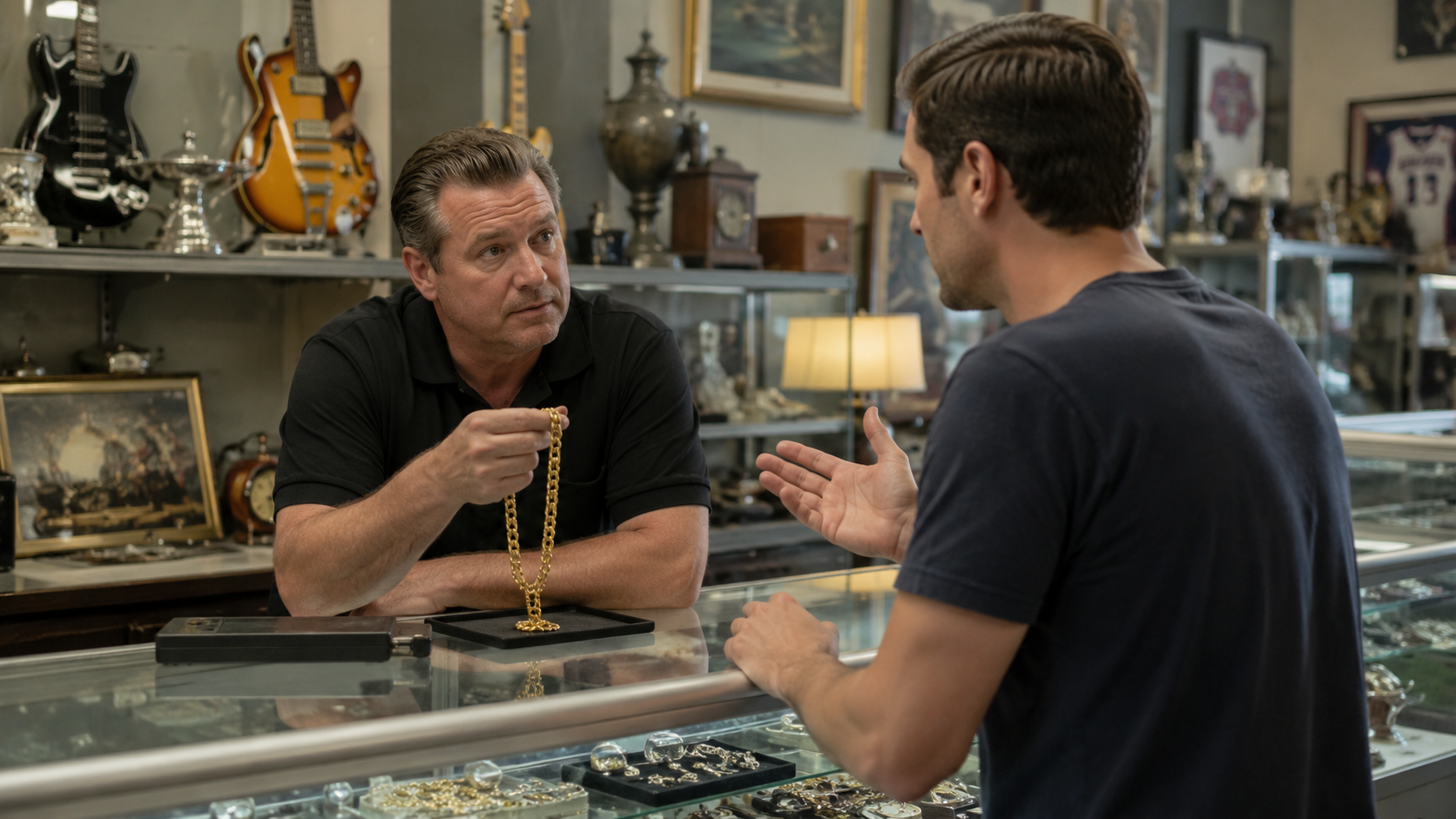
A trusted gold buyer should welcome questions. In fact, clear answers are one of the strongest signs that you are working with a professional. If a buyer avoids details or pressures you to decide quickly, that may be a red flag.
Before choosing where to sell, you should understand:
- How your gold is tested
- How purity affects value
- How weight is calculated
- Whether gemstones add value
- Whether designer or estate value matters
- Whether selling or borrowing is better
- How payment or loan terms work
- Whether the transaction is private
Ultimately, the best place to sell gold is not just the place with a fast offer. It is the place that explains the process clearly and treats your valuables with care.
Question #1: How Do You Determine Gold Value?
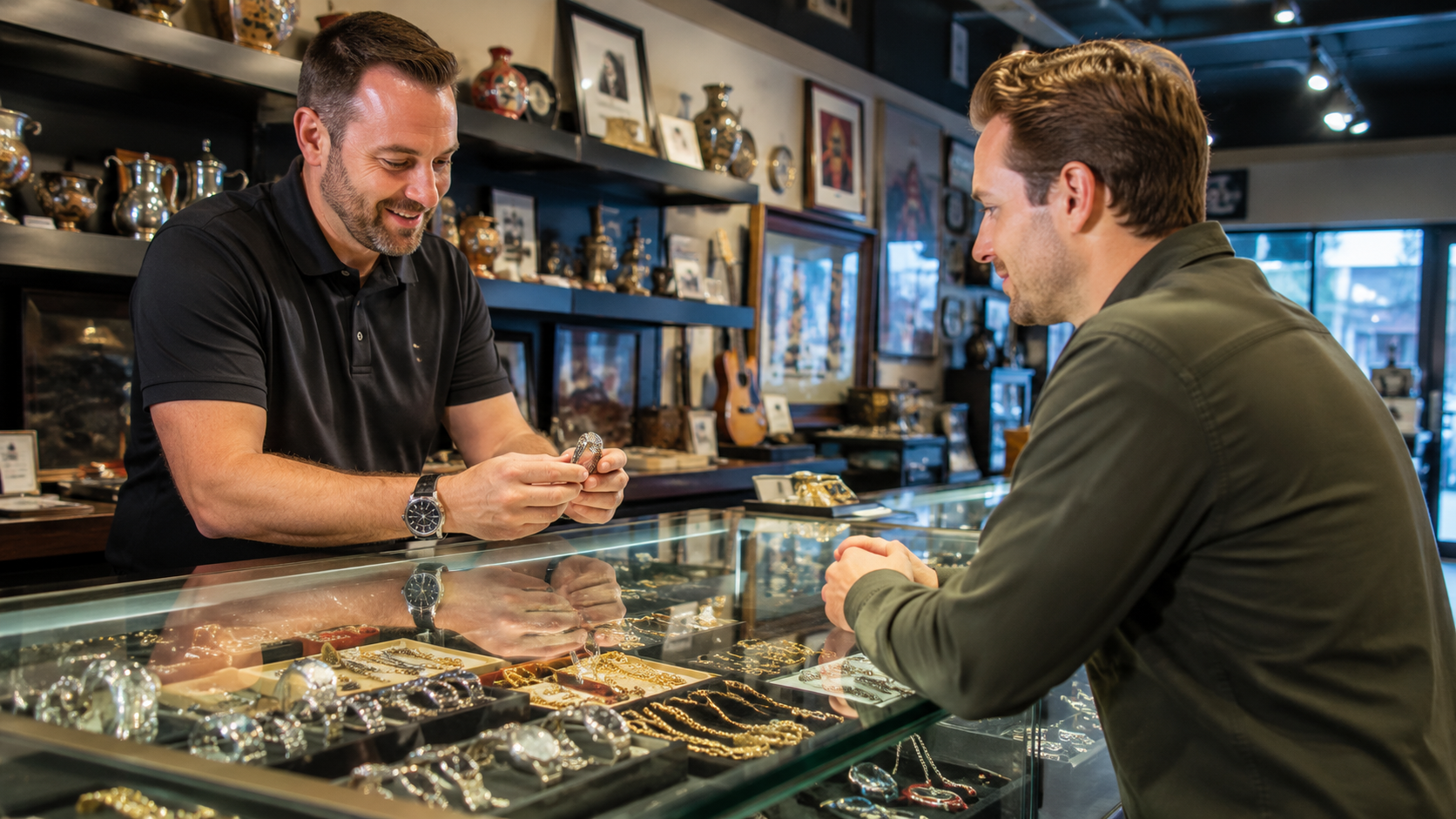
This should be one of the first questions you ask. A professional Scottsdale gold buyer should explain how gold value is calculated instead of giving you a number without context.
Gold value usually depends on:
- Karat purity
- Item weight
- Current gold market conditions
- Condition of the piece
- Resale potential
- Designer value
- Diamonds or gemstones
- Estate or antique appeal
For example, a broken gold chain may be valued mostly by metal content. However, a signed gold bracelet or diamond-set ring may be worth more as finished jewelry. Therefore, the buyer should explain whether your item is being valued as scrap gold, resale jewelry, or a luxury asset.
If the explanation is vague, ask for more detail before accepting the offer.
Question #2: What Karat Is My Gold?
Gold purity has a major impact on value. Most gold jewelry is not pure gold because it is mixed with other metals for strength and durability.
Common gold markings include:
- 10K
- 14K
- 18K
- 22K
- 24K
Generally, higher karat gold contains more pure gold. However, weight also matters. A heavy 14K bracelet may contain more gold than a very light 18K ring.
A trusted buyer should identify the karat and explain what it means. Additionally, if markings are missing or worn, the buyer should be able to test the item and explain the testing process clearly.
If a buyer refuses to discuss karat purity, you should be cautious.
Question #3: How Is My Gold Weighed?
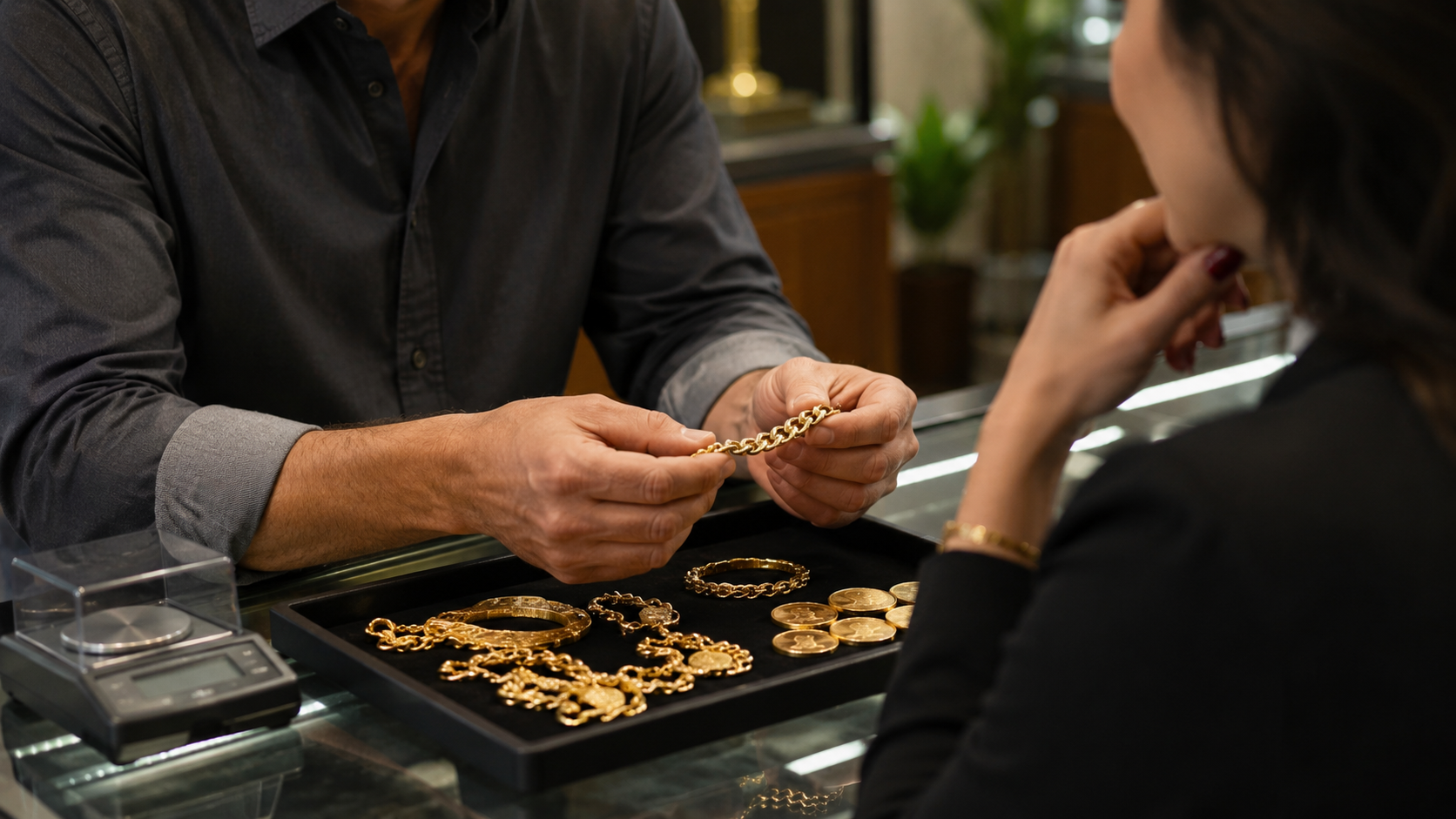
Weight is another key factor in a gold offer. Because different karats have different purity levels, items should be separated and weighed properly.
Ask the buyer:
- Are different karats weighed separately?
- Are stones included in the weight?
- Are non-gold parts removed from the calculation?
- Can you explain how weight affects the offer?
- Is each item evaluated individually?
This matters because a 10K chain, 14K ring, and 18K bracelet should not be grouped together without explanation. Also, jewelry with gemstones, clasps, or non-gold components may require a more careful review.
Transparency during weighing helps you understand the offer and compare buyers more confidently.
Question #4: Is My Jewelry Worth More Than Scrap Gold?
One of the biggest mistakes sellers make is assuming all gold jewelry is worth only its melt value. While some items are valued mostly by gold content, others may have additional resale value.
Gold jewelry may be worth more because of:
- Designer signatures
- Diamonds
- Gemstones
- Antique craftsmanship
- Estate value
- Brand recognition
- Matching sets
- Rare design
- Strong resale demand
For instance, a damaged gold chain may be valued primarily by metal weight. In contrast, a designer necklace or diamond-set gold ring may deserve a more detailed evaluation.
When you sell gold jewelry, ask whether the buyer is considering finished jewelry value. Otherwise, you may receive a lower offer than the item deserves.
Question #5: Do Diamonds or Gemstones Add Value?
Gold buyers who focus only on metal weight may overlook stones. Therefore, if your jewelry includes diamonds, sapphires, rubies, emeralds, pearls, or other gemstones, ask how they affect the offer.
Diamond value may depend on:
- Carat weight
- Cut
- Color
- Clarity
- Shape
- Certification
- Condition
- Market demand
Meanwhile, gemstone value may depend on type, size, quality, treatment, and resale appeal. However, not every stone adds the same value. For that reason, a trustworthy buyer should explain whether the stones increase the offer or whether the main value is in the gold.
A complete appraisal should never ignore gemstones without explanation.
Question #6: Do You Provide Jewelry Appraisal Guidance?
A jewelry appraisal can help you better understand your item before selling. This is especially useful if your jewelry includes diamonds, designer marks, antique details, or estate history.
A jewelry appraisal may review:
- Metal type and purity
- Gold karat
- Item weight
- Diamond quality
- Gemstone condition
- Designer signatures
- Craftsmanship
- Age and style
- Condition
- Resale potential
Because gold buying and jewelry appraisal often overlap, choosing a buyer with appraisal knowledge can help you protect value. In addition, it can help you understand whether selling, borrowing, or keeping the item makes the most sense.
Biltmore Loan helps clients evaluate gold, jewelry, Rolex watches, and estate pieces in a professional setting.
Question #7: Do You Buy Silver, Rolex Watches, and Other Luxury Assets?
Many people who sell gold also have silver, watches, estate jewelry, or designer pieces they want evaluated. As a result, it helps to choose a buyer with broader luxury expertise.
A professional gold and silver buyer may evaluate:
- Gold jewelry
- Silver coins
- Silver bullion
- Sterling silver
- Diamond rings
- Platinum pieces
- Rolex watches
- Designer jewelry
- Estate jewelry
- Luxury watches
If you also want to sell Rolex watches, ask whether the buyer understands model numbers, condition, authenticity, box and papers, and market demand. A Rolex should not be evaluated like a basic used watch, even if it contains gold.
A buyer with luxury experience can give you a more complete view of your assets.
Question #8: Can I Sell or Use My Gold as Collateral?
Selling is not always your only option. In some cases, a luxury pawn shop may offer a collateral loan, allowing you to access funds while keeping the option to reclaim your item.
Selling may be right if:
- You no longer wear the jewelry
- You want immediate cash
- You inherited items you do not need
- The piece is broken or unused
- You are upgrading your collection
- You prefer a final transaction
A collateral loan may be better if:
- You want to keep ownership
- The item has sentimental value
- You need temporary funding
- You want to avoid bank delays
- You plan to repay and retrieve the item
- You prefer private asset-based lending
Therefore, ask whether both options are available. A trusted buyer should explain the difference clearly and allow you to decide without pressure.
Question #9: Are Your Offers Confidential?
Privacy matters when selling gold, especially if the items involve family heirlooms, engagement jewelry, estate pieces, or financial needs. A professional buyer should provide a discreet and respectful experience.
Ask whether the evaluation is private. Also, notice whether the setting feels professional and secure.
A trustworthy buyer should provide:
- Confidential evaluations
- Secure item handling
- Private conversations
- Clear communication
- Written documentation
- Respectful service
A crowded or casual pawn shop counter may not provide the comfort some clients need. In contrast, a luxury pawn shop can offer a more private experience for high-value transactions.
Question #10: Will I Receive Documentation?
A professional transaction should include clear documentation. This is especially important if you are selling multiple items or considering a collateral loan.
Documentation may include:
- Item descriptions
- Purchase offer details
- Payment information
- Loan terms
- Appraisal notes
- Identification requirements
- Terms and conditions
If you are borrowing against gold, jewelry, or a Rolex, written terms are essential. You should understand the loan amount, fees, repayment timeline, renewal options, storage process, and what happens if the loan is not repaid.
If a buyer avoids paperwork or gives only vague verbal details, proceed carefully.
Question #11: How Do You Handle Estate Jewelry?
Estate jewelry requires special care because inherited collections often include mixed items. Some pieces may be valuable because of gold content, while others may have designer, diamond, gemstone, antique, or Rolex value.
Estate collections may include:
- Gold rings and chains
- Diamond jewelry
- Platinum pieces
- Sterling silver
- Rolex watches
- Designer jewelry
- Antique brooches
- Gemstone pieces
- Coins or bullion
- Luxury watches
Because estate pieces can carry both emotional and financial value, they should not be rushed through a basic evaluation. Instead, ask whether the buyer reviews each item separately.
Families in Scottsdale, Fountain Hills, Cave Creek, Queen Creek, and Phoenix often seek estate evaluations before selling or dividing assets. Meanwhile, clients in Chandler, Gilbert, Mesa, Glendale, Peoria, Surprise, Goodyear, and Avondale may need guidance when sorting inherited valuables.
Question #12: Do You Pressure Sellers to Decide Immediately?
A trusted gold buyer should never pressure you to sell before you understand the offer. Pressure tactics are one of the clearest signs that you should slow down.
Be cautious if you hear:
- “This offer is only good right now.”
- “You will not get more anywhere else.”
- “Do not compare other buyers.”
- “Gold prices are about to drop today.”
- “You need to decide before you leave.”
These statements are designed to create urgency. However, selling gold, jewelry, Rolex watches, or estate pieces should never feel forced.
Instead, a professional buyer should explain the value, answer your questions, and allow you to decide comfortably.
Question #13: What Makes You Different From a Typical Pawn Shop?
Not every pawn shop specializes in luxury assets. Some focus on general merchandise, while others understand gold, silver, diamonds, Rolex watches, estate jewelry, and designer pieces.
A luxury-focused buyer should offer:
- Private evaluations
- Transparent gold testing
- Jewelry appraisal guidance
- Rolex expertise
- Estate jewelry support
- Gold and silver buying
- Competitive purchase offers
- Collateral loan options
- Secure handling
This difference matters because luxury assets require more than a quick offer. Therefore, if you are comparing a standard pawn shop with a luxury pawn shop, ask what type of items they specialize in.
Question #14: What Should I Bring to the Evaluation?
Preparation can help you receive a more accurate offer. Before visiting a Scottsdale gold buyer, gather your valuables and any available documents.
Bring items such as:
- Gold jewelry
- Broken gold pieces
- Silver coins or bullion
- Diamond rings
- Rolex watches
- Designer jewelry
- Estate pieces
- Previous appraisals
- Receipts
- Certificates
- Watch boxes and papers
- Service records
Next, separate items by category if possible. This helps the buyer evaluate each piece properly. Also, avoid cleaning or repairing antique or estate jewelry before the evaluation unless a professional recommends it.
A prepared seller can ask better questions and make better decisions.
Question #15: How Do I Know the Offer Is Fair?
A fair offer should come with a clear explanation. The buyer should identify what the item is, how it was evaluated, and what factors affected the price.
Signs of a fair offer include:
- Gold purity is explained
- Weight is discussed clearly
- Gemstones are reviewed
- Designer marks are considered
- Estate value is not ignored
- Rolex watches receive proper evaluation
- Loan options are explained
- Documentation is provided
- The process feels private and professional
A strong buyer combines knowledge with trust, helping you understand value before accepting an offer.
Why Local Scottsdale Expertise Matters
Scottsdale is a strong luxury market where many residents own gold jewelry, Rolex watches, designer pieces, diamonds, estate collections, and high-end watches. Therefore, local experience can make the selling process smoother and more informed.
A Scottsdale gold buyer should understand the expectations of clients who want privacy, competitive payouts, and careful evaluations. In addition, the buyer should be familiar with nearby communities such as Phoenix, Fountain Hills, Cave Creek, Queen Creek, Chandler, Gilbert, Mesa, Tempe, Glendale, Peoria, Surprise, Goodyear, and Avondale.
Local clients often need transparent gold evaluations, jewelry appraisal guidance, Rolex assessments, estate jewelry support, same-day funding, and luxury collateral loan options. As a result, a buyer with local luxury experience can offer a more professional process.
Final Checklist Before Choosing a Gold Buyer
Before choosing where to sell, ask yourself:
- Did the buyer explain karat purity?
- Was the weighing process clear?
- Were gemstones reviewed?
- Did they consider designer or estate value?
- Do they buy silver and Rolex watches?
- Are collateral loan options available?
- Is the process private?
- Will documentation be provided?
- Did the buyer answer questions patiently?
- Do you feel comfortable moving forward?
If the answer is yes, you are more likely working with a buyer who values transparency and professionalism.
Why Biltmore Loan Is a Trusted Choice for Scottsdale Sell Gold Services
Biltmore Loan offers confidential gold evaluations, competitive payouts, gold and silver buying, jewelry appraisals, Rolex assessments, estate jewelry evaluations, and discreet luxury collateral loans for clients who want a trusted, professional alternative to the average pawn shop.
Contact Biltmore Loan today to discover the value of your gold, jewelry, Rolex, or luxury asset with confidence, privacy, and professionalism.