If you’ve inherited a collection of jewelry in Arizona, the most efficient way to sell it all at once is to organize and inventory the pieces first, then get appraisals from specialized buyers who purchase entire collections. Most reputable jewelry buyers in Scottsdale and Phoenix will evaluate your full collection in a single appointment, often within 30 to 60 minutes, and make an offer on the entire lot or recommend which pieces to sell separately for maximum value. The key is presenting an organized collection to buyers who regularly handle estate jewelry, understand probate timelines, and can pay immediately for multiple items.
Organizing Your Inherited Jewelry Before Getting Offers
Before you contact any buyer, spend an afternoon organizing what you have. You don’t need gemological expertise to create a useful inventory, but a clear system will speed up appraisals and help you get more accurate offers.
Should you sort inherited jewelry by metal type, value tier, or condition?
Start by separating pieces into three broad categories: fine jewelry (gold, platinum, diamonds, gemstones), costume jewelry (plated metals, glass stones, fashion pieces), and watches. Within the fine jewelry group, sort by metal type—yellow gold, white gold, silver, platinum. This makes it easier for buyers to test and weigh pieces quickly. If you can identify obvious damage like broken clasps, missing stones, or bent prongs, create a separate pile for items needing repair. Many buyers in Arizona purchase damaged pieces for their precious metal content, but knowing what’s broken helps set realistic expectations.
How do you inventory a collection to present to buyers?
A simple spreadsheet or handwritten list works perfectly. For each piece, note the type (ring, necklace, bracelet), metal color, any visible stamps (10K, 14K, 925, PT), notable gemstones, and condition. Take clear, well-lit photos of each item, including close-ups of any hallmarks or maker’s marks on the inside of rings or the clasp of necklaces. If you inherited any original receipts, certificates, or appraisals, keep those with the corresponding pieces. Estate buyers in Scottsdale see hundreds of collections each year, and an organized presentation signals that you’re a serious seller who has done your homework.
What information helps Arizona buyers give accurate quotes?
Buyers need to know provenance when possible. If your grandmother purchased a piece in the 1950s at a Phoenix department store, mention it. If an item came from a specific jeweler in Paradise Valley or Old Town Scottsdale, that context can add value. Brand names matter—Tiffany, Cartier, David Yurman, and other designer pieces command premiums even in estate condition. Any documentation of past appraisals (even if outdated) gives buyers a starting point. Be upfront about what you don’t know. Saying “I’m not sure what this stone is” is far better than guessing, and experienced buyers will test and identify materials on the spot.
Selling as a Lot vs. Individual Pieces: Which Pays More?
The answer depends entirely on what you’ve inherited. A collection of mid-range gold jewelry often sells best as a single lot, while a mix of high-value designer pieces and costume jewelry should be separated.
Does selling your entire inherited jewelry collection at once get you a bulk discount or premium?
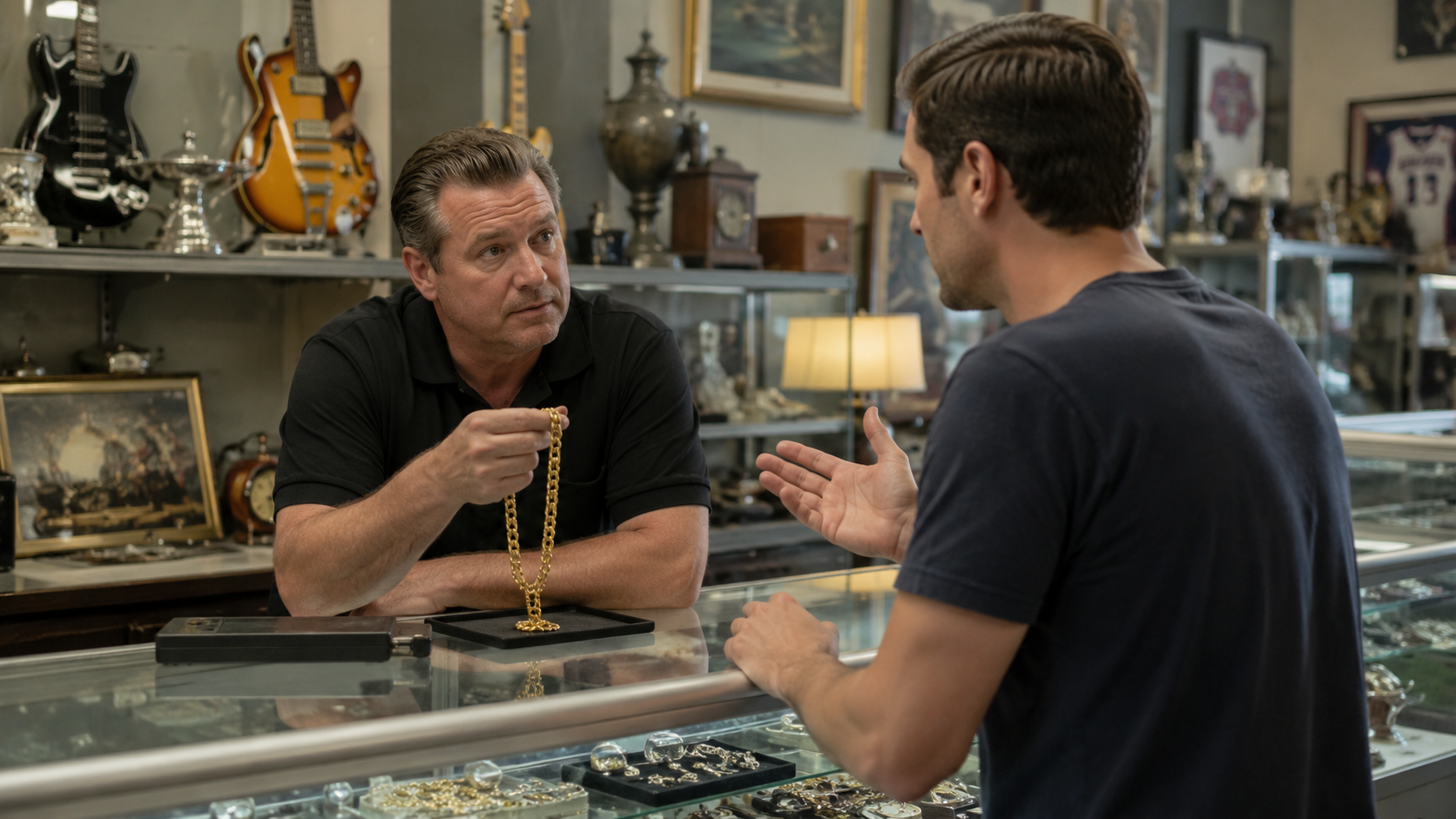
Selling everything together usually means accepting a lower per-piece price in exchange for speed and convenience. Buyers who purchase entire lots factor in the time and cost of reselling items individually, so they need margin to make the transaction worthwhile. If your collection consists mostly of similar items—say, a dozen gold rings and several gold chains—selling as a lot makes sense. You’ll get paid immediately for the total precious metal value, and you won’t spend weeks or months selling pieces one by one. However, if the collection includes several standout items (a two-carat diamond ring, a signed Cartier bracelet, or a Rolex watch), bundling them with lesser pieces can cost you thousands of dollars in lost value.
When should you separate valuable pieces and sell them individually in Arizona?
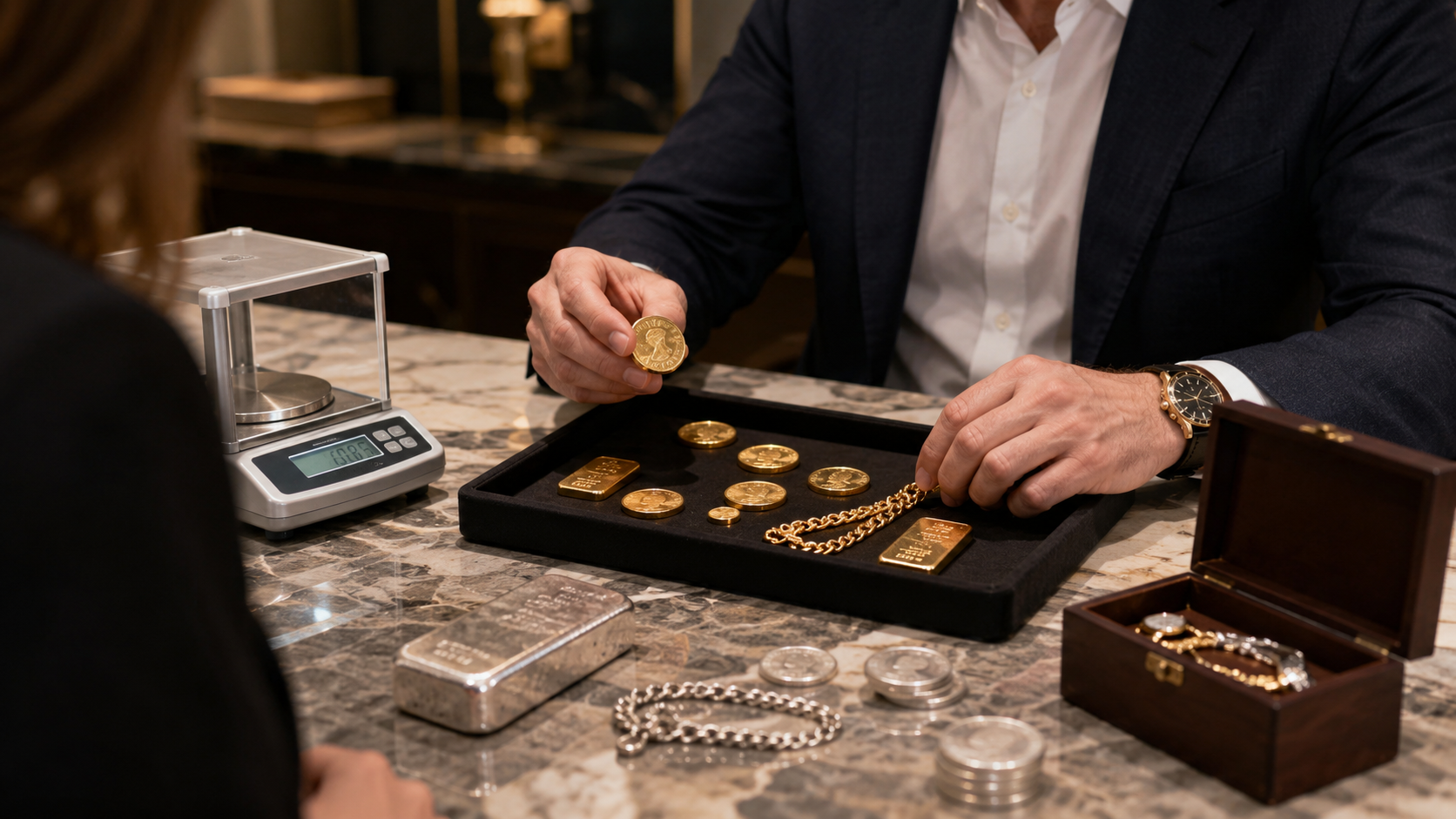
Pull out anything worth more than $2,000 individually and get separate appraisals. Designer pieces, natural diamonds over one carat, colored gemstones with certificates, and luxury watches should be evaluated on their own merits. A buyer specializing in diamond jewelry in Scottsdale will pay significantly more for a quality solitaire ring than a general scrap gold buyer. Similarly, vintage Rolex or Omega watches have strong resale markets in Arizona and deserve dedicated attention. Once you’ve separated the high-value items, you can sell the remaining gold and silver jewelry as a lot based on weight and metal content.
Getting Multiple Appraisals on a Large Inherited Jewelry Collection
Never accept the first offer you receive on a substantial collection. Arizona has dozens of jewelry buyers, and their specialties and pricing models vary widely.
How long does it take Arizona buyers to appraise a full collection?
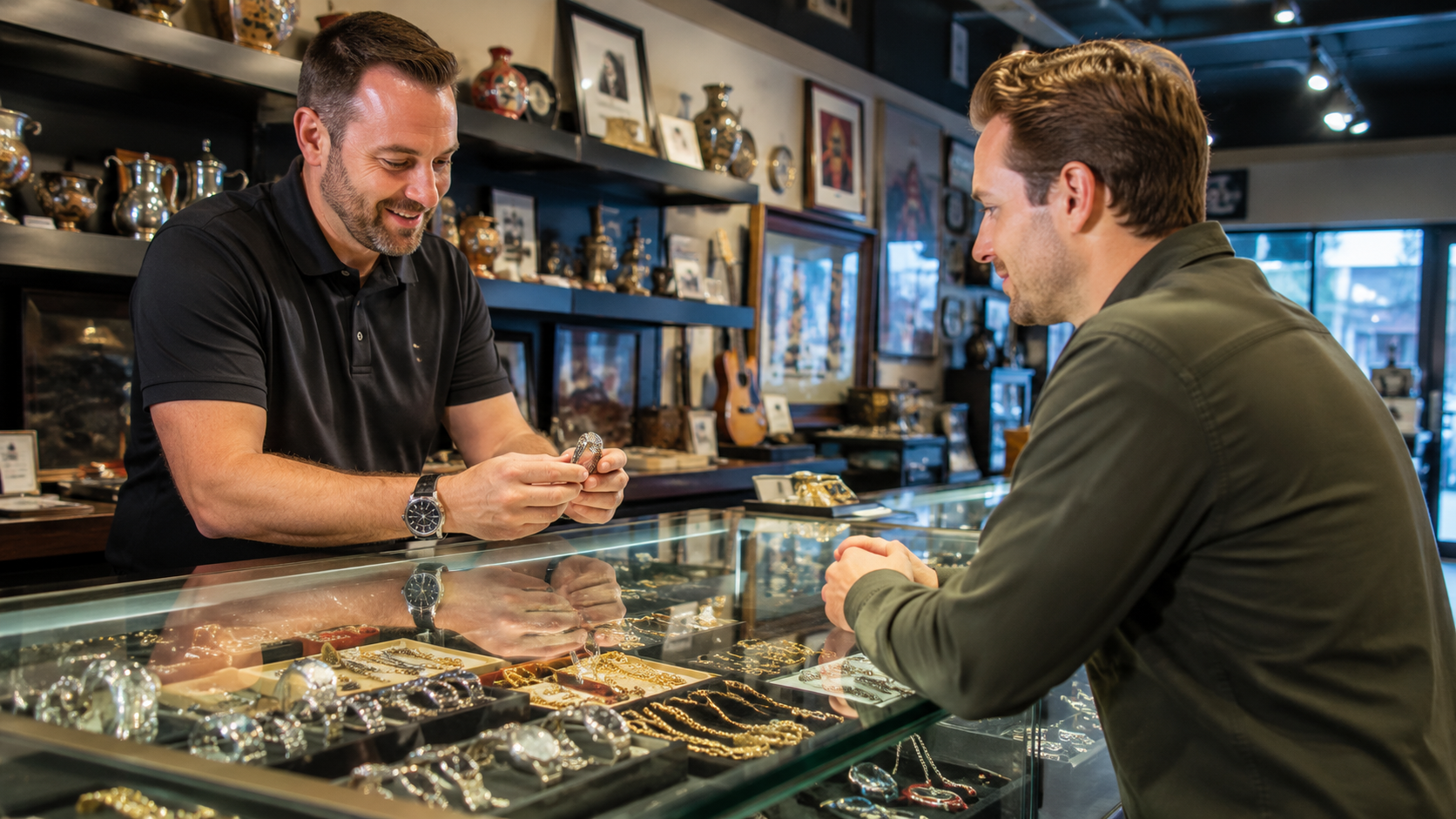
A professional buyer can typically appraise 20 to 30 pieces of jewelry in 30 to 45 minutes. They’ll test metals with acid or electronic testers, examine stones under magnification, weigh items, and check for hallmarks. If your collection is larger—50 or more pieces—plan for a 60- to 90-minute appointment. Buyers in Scottsdale who specialize in estate jewelry often set aside longer time slots for inherited collections because they understand the complexity. Call ahead and describe what you have so the buyer can allocate appropriate time and have the right testing equipment ready. Some buyers offer in-home appraisals for very large collections, though this is more common for high-value estates or when mobility is an issue.
Should you get professional insurance appraisals before selling inherited jewelry?
Insurance appraisals (also called retail replacement appraisals) reflect what it would cost to replace an item new at a retail jewelry store. These appraisals are always higher than resale value—sometimes two or three times higher. They’re useful if you plan to keep and insure valuable pieces, but they don’t help you sell. What you need instead are resale or estate appraisals, which reflect current secondary market values. Some independent appraisers in the Phoenix area offer this service for a flat fee (typically $75 to $150 per hour), and having one can be worthwhile if you suspect your collection includes rare or unusual items. The appraisal gives you a baseline to compare buyer offers and confirms you’re not overlooking something valuable.
Storage, Insurance, and Logistics for Inherited Collections
If you’ve inherited jewelry worth thousands of dollars, treat it like the valuable asset it is while you’re deciding how to sell.
How do you safely store inherited jewelry while selling?
Don’t leave a valuable collection sitting in a drawer at home for weeks. Use a home safe if you have one, or rent a safe deposit box at a bank in Scottsdale or Phoenix. Safe deposit boxes cost $20 to $75 per year depending on size, and they provide secure, climate-controlled storage. If you’re traveling to multiple buyers for appraisals, transport jewelry in a nondescript bag or case—never in obviously labeled jewelry boxes. Park in well-lit areas and don’t leave items in your car overnight. Arizona’s summer heat can also damage certain pieces; opals, pearls, and some vintage plastics used in costume jewelry can crack or discolor in extreme temperatures, so avoid leaving anything in a hot vehicle.
Should you insure items before bringing them to a buyer?
If your homeowner’s or renter’s insurance doesn’t already cover personal property away from home, consider a temporary valuable articles policy. Many insurers offer short-term coverage for jewelry in transit. The cost is usually nominal for a few weeks of coverage, and it protects you if items are lost, stolen, or damaged while you’re getting appraisals. Check your existing policy first—some automatically cover personal property up to a certain dollar amount even when you’re away from home. If your inherited collection is worth more than $5,000, a quick call to your insurance agent is worthwhile.
Tax and Probate Considerations When Selling an Inherited Jewelry Collection in Arizona
Selling inherited jewelry has potential tax and legal implications that vary based on the size of the estate and how the inheritance was structured.
Are there tax implications to selling inherited jewelry in Arizona?
When you inherit jewelry, you receive a “stepped-up basis” equal to the fair market value of the items on the date the original owner passed away. If you sell the jewelry shortly after inheriting it for approximately that value, you typically owe no capital gains tax. However, if the jewelry has appreciated significantly since the date of death—or if you hold it for years before selling—you may owe capital gains tax on the difference between the stepped-up basis and the sale price. Arizona does not have a state inheritance tax or estate tax, but federal estate tax rules may apply if the total estate exceeds federal exemption thresholds (currently over $13 million for 2024). For most inherited jewelry collections, the bigger concern is documenting the stepped-up basis. If you don’t have a formal estate appraisal from the date of death, work with your accountant to establish a reasonable basis using comparable sales or expert opinions.
Should you consult an accountant or attorney before selling?
If the jewelry was part of a probated estate, check with the estate attorney or executor before selling anything. Some estates require court approval before assets can be liquidated. If you’re the sole heir and the estate was small enough to avoid formal probate, you generally have more flexibility. Even so, consulting a CPA before selling a large collection is smart. They can help you understand your tax basis, advise on timing (selling in one tax year versus spreading sales across two years), and ensure you’re documenting everything correctly. For collections worth more than $20,000, a one-hour consultation with a tax professional can save you significant money and stress when April comes around.
If you’re ready to sell an inherited jewelry collection in Arizona, Biltmore Loan and Jewelry in Scottsdale offers free appraisals on entire estates and can make immediate offers on your collection. Visit https://biltmoreloanandjewelry.com/ to schedule an appointment or get answers to your questions about selling multiple pieces efficiently.
Photo by Valorie Barela on Unsplash via Valorie Barela.