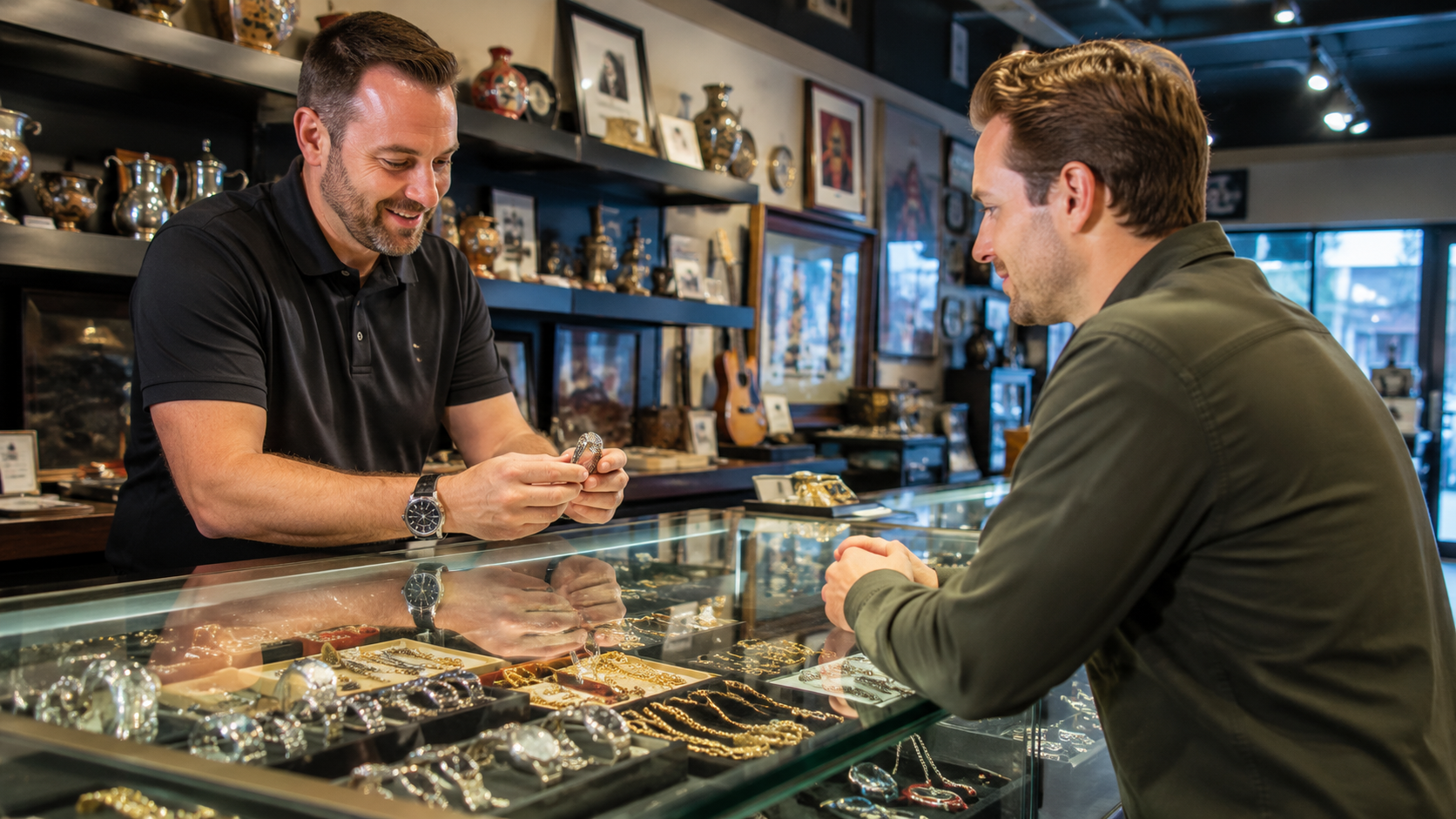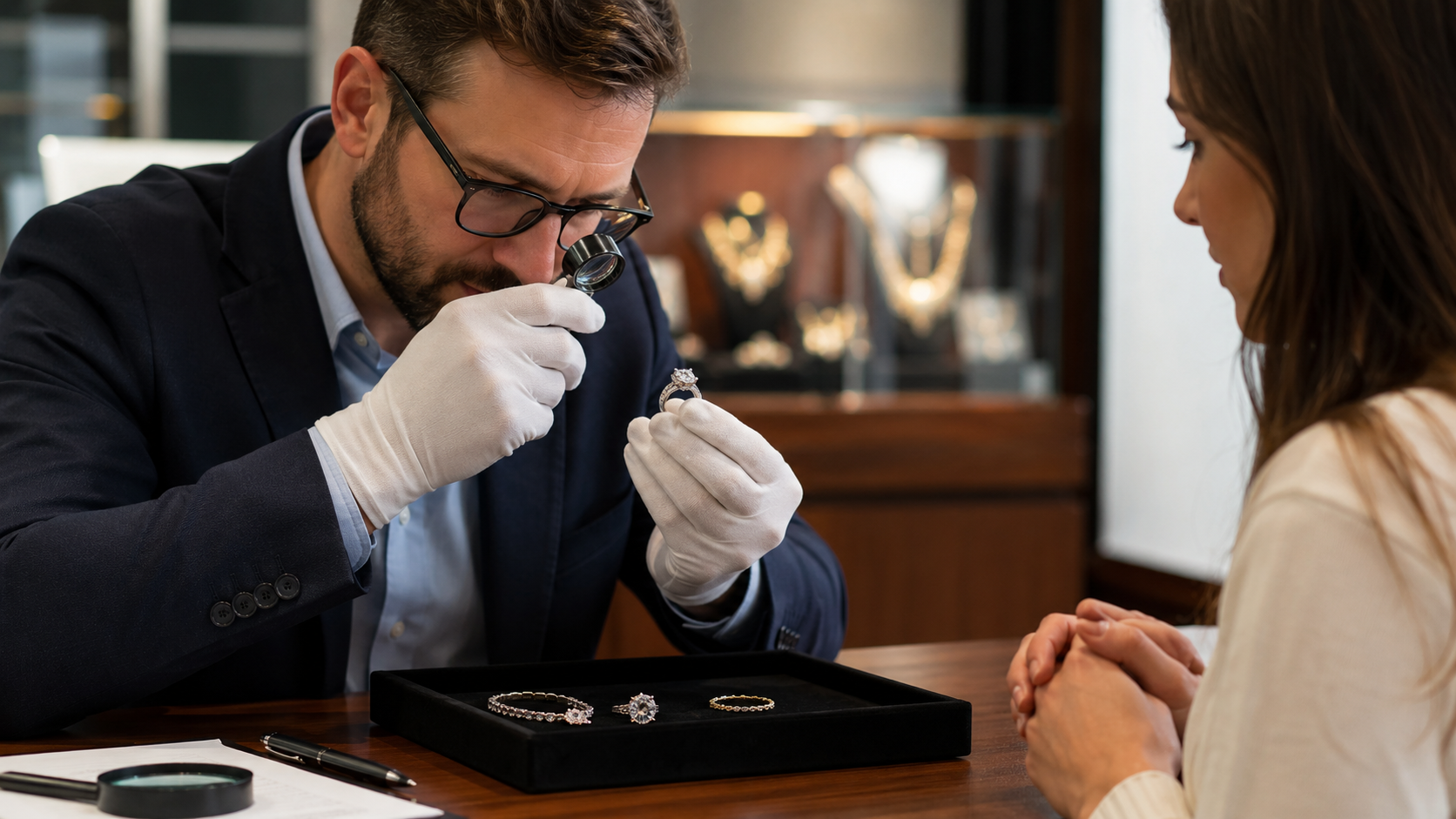
Getting a jewelry appraisal for the first time can feel unfamiliar, especially if you are unsure what your items are worth or what the appraisal process should include. Whether you own gold jewelry, diamond rings, Rolex watches, silver, estate pieces, or designer jewelry, a professional appraisal can help you understand value before selling, borrowing, insuring, or making estate decisions.
For clients in Phoenix, Scottsdale, Mesa, Gilbert, Chandler, Tempe, Queen Creek, Fountain Hills, Cave Creek, Peoria, Surprise, Glendale, Goodyear, and Avondale, choosing the right appraisal provider matters. A basic pawn shop may offer a quick estimate, but a luxury pawn shop should provide a more detailed, private, and transparent experience.
Biltmore Loan offers confidential jewelry appraisals, gold and silver buying, Rolex evaluations, luxury collateral loans, and estate jewelry assessments for Arizona clients who want professional guidance before making a financial decision.
Why Jewelry Appraisals Matter for First-Time Users
A jewelry appraisal gives you a clearer understanding of what you own. Because jewelry value can depend on metal purity, gemstones, brand, condition, craftsmanship, and market demand, guessing can lead to costly mistakes.
For example, a gold ring may be worth more than scrap if it includes diamonds, designer markings, or estate value. Similarly, an inherited bracelet may appear simple but still hold value because of age, metal content, or craftsmanship. Therefore, a first-time appraisal can help you avoid selling too quickly or accepting a low offer.
A jewelry appraisal may help when you want to:
- Sell gold jewelry
- Evaluate inherited estate pieces
- Use jewelry as collateral
- Compare offers from a gold buyer
- Sell diamonds or gemstones
- Understand designer jewelry value
- Review silver, platinum, or gold assets
- Decide whether to sell or borrow
- Prepare for insurance or estate planning
In addition, an appraisal can give you confidence before visiting a pawn shop, luxury pawn shop, or buyer.
Choose the Right Type of Appraisal
Not every appraisal serves the same purpose. As a first-time user, it helps to understand why you need the appraisal before the process begins.
Some clients need an appraisal before selling. Others need one before borrowing against a luxury asset. Meanwhile, estate executors may need a professional evaluation before dividing or liquidating inherited jewelry.
Common appraisal purposes include:
- Resale evaluation
- Collateral loan evaluation
- Estate jewelry assessment
- Insurance-related appraisal
- Gold and silver evaluation
- Rolex or luxury watch appraisal
- Diamond and gemstone review
- Designer jewelry evaluation
If your goal is to sell, the appraisal should focus on realistic market value and buyer demand. However, if your goal is a collateral loan, the evaluation may focus on the asset’s loan value. Because these numbers may differ, a professional should explain which value is being discussed.
Biltmore Loan helps clients understand these differences so they can make informed choices.
Know What Items Can Be Appraised
Many first-time users think jewelry appraisal only applies to diamond rings. However, professional appraisals can include many types of valuable items.
Items commonly appraised include:
- Gold rings, chains, and bracelets
- Diamond engagement rings
- Wedding bands
- Designer jewelry
- Estate jewelry
- Platinum pieces
- Sterling silver items
- Silver coins and bullion
- Gemstone jewelry
- Rolex watches
- Luxury watches
- Antique brooches
- Gold watches
- Signed jewelry pieces
Because luxury assets can vary widely, each item should be evaluated based on its own characteristics. A Rolex watch is not appraised the same way as a gold chain. Likewise, an estate diamond ring should not be treated like scrap gold without reviewing gemstones, setting quality, and resale potential.
Prepare Your Jewelry Before the Appraisal
Preparation can make the appraisal process smoother and more accurate. Before visiting a Phoenix jewelry appraisal specialist, gather your items and any available documents.
Helpful documents may include:
- Original receipts
- Previous appraisals
- Diamond grading reports
- Certificates of authenticity
- Insurance records
- Estate documents
- Rolex box and papers
- Watch service records
- Designer packaging or paperwork
Although paperwork can help, it is not always required. Many people inherit jewelry without documentation. Even so, an experienced appraiser can still evaluate metal content, gemstone quality, condition, and market appeal.
In addition, try to organize your items before the visit. Separate gold, silver, watches, diamonds, and costume jewelry if possible. This helps the appraiser review each category properly and explain value more clearly.
Do Not Clean or Repair Valuable Pieces Too Quickly
Many first-time users assume they should clean or repair jewelry before an appraisal. However, that is not always the best approach.
Some antique jewelry, estate pieces, vintage watches, or designer items may be better evaluated in their current condition. In some cases, unnecessary polishing or repair can affect originality or collector appeal.
Before making changes, ask a professional whether cleaning or repair is recommended. A qualified appraiser can help determine whether the item should be restored, sold as-is, or evaluated for collateral lending.
This is especially important for estate jewelry, Rolex watches, and older designer pieces. Because originality can matter, it is better to get expert guidance before altering the item.
Understand How Gold Jewelry Is Appraised
Gold jewelry is one of the most common items brought in for appraisal. If you plan to sell gold or sell gold jewelry, understanding the appraisal process can help you feel more confident.
A gold appraisal may consider:
- Karat purity
- Item weight
- Current market conditions
- Condition of the piece
- Designer value
- Gemstones or diamonds
- Resale potential
- Estate or antique appeal
A professional gold buyer should explain whether your item is being evaluated mainly for metal content or as finished jewelry. For instance, a broken gold chain may be valued mostly by weight and karat. However, a signed designer bracelet or diamond-set gold ring may carry value beyond gold content.
Therefore, the best place to sell gold is not always the closest pawn shop. It is the place where the buyer explains the value clearly and handles your items professionally.
Understand How Diamonds and Gemstones Are Reviewed
Diamonds and gemstones can strongly influence jewelry value. As a result, a proper jewelry appraisal should look beyond the metal.
Diamond evaluation may include:
- Carat weight
- Cut quality
- Color
- Clarity
- Shape
- Certification
- Setting condition
- Market demand
Gemstones may also be reviewed for type, size, condition, color, and quality. Sapphires, rubies, emeralds, and other stones may add value depending on their characteristics.
However, not every gemstone adds the same resale value. Because of this, first-time users should ask how stones are affecting the appraisal. A trustworthy appraiser should explain the difference between decorative value, resale value, and collateral value.
Ask Questions During the Appraisal
A first-time jewelry appraisal should not feel confusing. Instead, the appraiser should welcome questions and explain the process in simple terms.
Helpful questions include:
- What type of metal is this?
- What karat is the gold?
- Are the stones natural or synthetic?
- Does the designer name affect value?
- Is this worth more as jewelry or scrap?
- Can this be used for a collateral loan?
- Would selling or borrowing make more sense?
- How does condition affect the offer?
- Is this estate jewelry?
- Do you buy gold, silver, and Rolex watches?
Asking questions helps you understand the appraisal and avoid surprises. Moreover, it helps you compare buyers if you decide to get more than one opinion.
A professional luxury pawn shop should provide direction without pressure, helping you feel informed before making a decision.
Compare Selling Versus Borrowing Against Jewelry
Many first-time users assume an appraisal automatically means they must sell. However, a luxury pawn shop may also offer collateral loan options.
Selling may be right if:
- You no longer wear the jewelry
- You inherited pieces you do not want
- You want immediate cash
- You are upgrading your collection
- You are selling broken or unused gold
- You prefer a final transaction
A collateral loan may be better if:
- You want to keep ownership
- The item has sentimental value
- You need temporary funding
- You want to avoid bank delays
- You prefer private asset-based lending
- You plan to repay and retrieve the item
This difference matters. For example, a diamond ring or inherited necklace may have personal value. Instead of selling permanently, you may prefer to use it as collateral for short-term liquidity.
Biltmore Loan helps clients review both options so they can choose the path that fits their needs.
Be Careful With Lowball Offers
A lowball offer can happen when a buyer does not understand jewelry value or chooses not to explain the appraisal. First-time users are especially vulnerable because they may not know what to expect.
Watch for red flags such as:
- Vague explanations
- Pressure to sell immediately
- No clear testing process
- Hidden weighing methods
- No discussion of gemstones
- Designer marks ignored
- Estate value overlooked
- No loan option explained
- Poor communication
If a buyer treats every item as scrap, valuable pieces may be undervalued. Likewise, if a Rolex or designer jewelry piece is evaluated by someone without luxury experience, the offer may not reflect real market demand.
Therefore, choose a buyer who explains the appraisal clearly and respects your right to ask questions.
Use Appraisals for Estate Jewelry Decisions
Estate jewelry can be emotional and complicated. Many first-time appraisal users are handling inherited items and do not know what should be sold, kept, divided, or borrowed against.
Estate collections may include:
- Gold jewelry
- Diamond rings
- Platinum pieces
- Silver items
- Rolex watches
- Designer jewelry
- Antique brooches
- Gemstone jewelry
- Coins or bullion
- Luxury watches
Because estate jewelry may include hidden value, it should not be rushed through a basic pawn shop evaluation. Some pieces may be worth more as finished jewelry. Others may be valued mainly for gold or silver content.
In addition, family members may need clear information before making decisions. A professional appraisal can help create transparency and reduce uncertainty.
Clients in Scottsdale, Fountain Hills, Cave Creek, Queen Creek, and Phoenix often seek estate jewelry evaluations because they want private, respectful, and accurate guidance.
Understand How Rolex Watches Fit Into Jewelry Appraisals
Rolex watches are often appraised alongside jewelry, especially during estate evaluations or luxury asset reviews. However, Rolex appraisal requires watch-specific knowledge.
A Rolex evaluation may consider:
- Model
- Reference number
- Serial number
- Case condition
- Bracelet condition
- Dial and bezel details
- Box and papers
- Service records
- Authenticity
- Current market demand
If you want to sell Rolex watches or use a Rolex as collateral, make sure the appraiser understands luxury watches. A general jewelry buyer may not fully understand model demand or the importance of documentation.
Because Biltmore Loan evaluates both jewelry and Rolex watches, clients can receive a more complete review of their luxury assets.
Know What Affects Silver Appraisals
Although gold often receives more attention, silver can also be valuable. A professional gold and silver buyer should evaluate silver carefully rather than dismissing it.
Silver items may include:
- Sterling silver jewelry
- Silver coins
- Silver bullion
- Flatware
- Vintage silver pieces
- Estate silver collections
- Designer silver jewelry
Silver value may depend on purity, weight, collectibility, condition, and market demand. Therefore, if you bring silver with your gold or jewelry, ask how it is being evaluated.
This is especially helpful for estate collections, where silver may be mixed with jewelry, watches, coins, and other valuables.
Why Local Expertise Matters in Phoenix
Local expertise matters because Phoenix and Scottsdale have strong markets for luxury watches, gold, jewelry, and collateral lending. A local appraiser understands the needs of Arizona clients and the types of assets commonly brought in for evaluation.
In Chandler, Gilbert, and Mesa, families and professionals may seek jewelry appraisals after inheritance, downsizing, or financial planning. Meanwhile, Tempe and Glendale clients may need quick liquidity without traditional bank complications.
In Fountain Hills, Cave Creek, and Queen Creek, clients may own high-value estate jewelry, diamonds, Rolex watches, or designer pieces. Additionally, Peoria, Surprise, Goodyear, and Avondale residents often want reliable gold buyers and professional pawn shop alternatives close to home.
A trusted local luxury pawn shop provides convenience, privacy, and market knowledge in one place.
Protect Your Privacy During the Appraisal
Jewelry appraisals can involve personal stories. You may be evaluating an engagement ring, inherited jewelry, family heirlooms, or luxury assets connected to financial decisions. Because of that, privacy matters.
A professional appraisal setting should feel discreet and respectful. You should not have to discuss valuable items or personal financial needs in a crowded or uncomfortable environment.
Privacy is especially important for:
- Estate executors
- High-net-worth clients
- Business owners
- Families selling inherited jewelry
- Rolex owners
- Professionals seeking collateral loans
- Clients comparing gold buyers
- Individuals selling after major life changes
A luxury pawn shop should provide a more comfortable experience than a typical pawn shop counter. As a result, clients can speak openly and make decisions with confidence.
How to Prepare for Your First Visit
Before your first jewelry appraisal, take a few simple steps to make the experience easier.
First, gather all jewelry, watches, gold, silver, and related paperwork. Next, separate items by type if possible. Then, avoid cleaning, polishing, or repairing valuable pieces before the appraisal.
It is also helpful to decide your goal before arriving. Are you looking to sell, borrow, insure, divide estate assets, or simply learn value? Once you know your goal, the appraiser can guide the conversation more effectively.
Finally, prepare questions. A trustworthy appraiser should be comfortable explaining value, process, and next steps.
Common Mistakes First-Time Appraisal Users Make
First-time users often make avoidable mistakes. Fortunately, preparation can help you protect your assets and confidence.
Common mistakes include:
- Accepting the first offer without explanation
- Assuming all gold is valued the same
- Ignoring diamonds or gemstones
- Forgetting paperwork at home
- Cleaning antique jewelry too aggressively
- Choosing a buyer without luxury expertise
- Not asking about collateral loans
- Selling sentimental pieces too quickly
- Treating estate jewelry as scrap
- Comparing only the payout, not the process
By avoiding these mistakes, you can make smarter decisions. More importantly, you can avoid regret after selling an item that may have been better kept, appraised further, or used as collateral.
Why Appraisals Help With Fast Funding
Jewelry appraisals are not only useful for selling. They can also help clients access fast funding through collateral loans.
Luxury collateral loans may be helpful for:
- Business expenses
- Emergency costs
- Travel
- Medical bills
- Real estate opportunities
- Temporary income gaps
- Family needs
- Investment timing
Instead of relying on a traditional bank loan, clients can use gold, jewelry, Rolex watches, diamonds, or luxury assets as collateral. However, the loan amount depends on the quality of the appraisal.
Therefore, accurate evaluation matters. A careful appraisal can help determine a fair loan offer while giving clients the option to reclaim their item after repayment.
Signs of a Trustworthy Jewelry Appraisal Provider
A trustworthy appraisal provider should make the process feel clear and professional. Before choosing a Phoenix jewelry appraisal provider, look for signs of expertise and transparency.
A strong provider should offer:
- Clear explanations
- Private evaluations
- Knowledge of gold and silver
- Rolex and luxury watch experience
- Estate jewelry expertise
- No-pressure recommendations
- Safe handling
- Competitive purchase offers
- Collateral loan options
- Professional communication
On the other hand, avoid buyers who rush the appraisal, pressure you to sell, refuse to answer questions, or fail to explain how value was determined.
A jewelry appraisal should leave you feeling informed, not confused.
Why Biltmore Loan Is a Trusted Choice for Phoenix Jewelry Appraisal
Biltmore Loan offers confidential jewelry appraisals, gold and silver buying, Rolex evaluations, estate jewelry assessments, competitive purchase offers, and discreet luxury collateral loans for first-time users who want a professional alternative to the average pawn shop.
Contact Biltmore Loan today to discover the value of your gold, jewelry, Rolex, or luxury asset with confidence, privacy, and professionalism.