If you’re deciding whether to buy gold coins in Phoenix or sell from your existing collection, the answer depends on your financial goals, the current market, and what type of coins you own. Numismatic coins with rarity and historical significance often appreciate beyond their gold content, making them strong long-term investments, while bullion coins offer liquidity and track precious metal prices closely. Phoenix collectors and investors benefit from a competitive local market with established dealers who provide transparent pricing, authentication services, and fair spreads for both buyers and sellers.
Numismatic Value vs. Melt Value: Which Applies to Your Coins
When you walk into a coin dealer in Phoenix, the first question on the table is whether your coin is worth its weight in gold or something far more. Melt value refers to the raw precious metal content—what the coin would fetch if melted down and sold as bullion. Numismatic value, by contrast, accounts for rarity, historical importance, condition, and collector demand.
Most modern bullion coins, like American Gold Eagles or Canadian Maple Leafs, trade close to melt value plus a small premium. A one-ounce Gold Eagle contains one troy ounce of gold, so its price floats with the spot market. Pre-1933 U.S. gold coins, however, often carry substantial numismatic premiums. A Saint-Gaudens $20 Double Eagle in mint condition can sell for hundreds or even thousands above its gold content, depending on grade and mintmark.
Rare coin dealers in Phoenix assess numismatic value by examining factors like strike quality, luster, surface preservation, and provenance. A coin with strong eye appeal and minimal wear commands higher prices, especially if it’s certified by a third-party grading service. Coins with historical significance—such as those minted during the Civil War or the California Gold Rush—attract passionate collectors willing to pay premiums that have little to do with gold content.
What Grading Systems Affect Phoenix Coin Prices
The two major grading authorities in the United States are the Numismatic Guaranty Corporation (NGC) and the Professional Coin Grading Service (PCGS). Both use a 70-point Sheldon scale, where a grade of 1 represents a barely identifiable coin and 70 indicates a flawless specimen. Phoenix dealers recognize these slabs—sealed plastic holders with tamper-evident features—as the industry standard for authentication and condition.
A Morgan silver dollar graded MS-65 (Mint State, uncirculated with minimal contact marks) might sell for $150, while the same coin in MS-63 condition trades closer to $80. The difference of two grade points can double the price, which is why serious collectors in Phoenix insist on certified coins for any purchase above bullion-level pricing.
Common Gold and Silver Coins Phoenix Buyers Accept
If you’re looking to buy gold coins in Phoenix, you’ll find that local dealers stock a core inventory of widely recognized bullion and semi-numismatic pieces. American Gold Eagles are the most liquid, followed closely by Gold Buffalos, Canadian Maple Leafs, and South African Krugerrands. These coins carry government backing, consistent purity standards, and tight bid-ask spreads, making them ideal for investors who want exposure to gold prices without collectible premiums.
Pre-1933 U.S. gold coins—such as Liberty Head $10 Eagles, Indian Head $5 Half Eagles, and Saint-Gaudens $20 Double Eagles—occupy a middle ground. They offer both gold content and historical appeal, and many Phoenix buyers treat them as semi-numismatic holdings that hedge against both currency risk and collector scarcity.
How Foreign Coins and Historical Silver Dollars Are Valued Differently
Foreign gold coins, including British Sovereigns, French Roosters, and Swiss Helvetias, trade at or near melt value in Phoenix unless they carry rare dates or mint errors. Dealers accept them readily, but expect narrower premiums compared to U.S.-minted gold.
Silver coins follow a different calculus. Junk silver—pre-1965 U.S. dimes, quarters, and half dollars—trades by the bag or face value multiple, with pricing tied directly to the silver spot market. Morgan and Peace silver dollars, however, attract numismatic interest. A common-date Morgan in circulated condition might sell for $30 to $40, while a key-date 1893-S in high grade can command thousands. Phoenix dealers who specialize in numismatics maintain extensive reference libraries and pricing guides to assess these distinctions on the spot.
When to Sell Coins and When to Hold (2025 Phoenix Market)
Market timing for precious metals is notoriously difficult, but Phoenix sellers can rely on a few indicators. Gold prices tend to rise during periods of currency devaluation, geopolitical tension, and stock market volatility. In early 2025, gold remains near historic highs, driven by central bank demand, ongoing inflation concerns, and uncertainty in global trade policy.
If you own bullion coins and need liquidity, current conditions favor sellers. Dealers in Phoenix are paying strong premiums over spot, and local buyers are active. If your collection includes rare numismatic pieces, however, selling during a bullion rally may not maximize value. Collector coins often lag bullion price movements, and specialized auctions or numismatic conventions can yield better results than a quick sale to a local dealer.
How Geopolitical Events and Inflation Affect Coin Prices Locally
Phoenix sits in a state with no capital gains tax on precious metals at the state level, which makes Arizona an attractive market for coin transactions. When inflation accelerates or the Federal Reserve signals rate changes, local dealers report upticks in both buying and selling activity. Investors in Scottsdale, Paradise Valley, and Arcadia often view gold coins as portfolio insurance, and many have multigenerational collections that surface during estate settlements or financial transitions.
Geopolitical shocks—such as banking crises, international conflicts, or currency collapses—tend to compress premiums on bullion coins as demand surges. Sellers benefit from tighter spreads and faster turnover, while buyers face higher entry costs. Monitoring these cycles helps Phoenix collectors decide whether to add to their holdings or trim positions strategically.
Authentication and Grading: Protecting Your Coin Collection
Counterfeit gold and silver coins have become more sophisticated in recent years, with high-quality fakes flooding online marketplaces. Before selling coins in Phoenix, verify authenticity through weight, diameter, and magnet tests at a minimum. Gold is non-magnetic, and precise dimensions are published for every major bullion coin. A digital caliper and a jeweler’s scale can catch obvious counterfeits.
For higher-value or questionable pieces, professional authentication is essential. Phoenix coin dealers use X-ray fluorescence (XRF) analyzers to measure metal composition without damaging the coin. Third-party grading services like NGC and PCGS perform even more rigorous analysis, including strike evaluation, surface inspection under magnification, and comparison against known counterfeits in their databases.
What Professional Graders Look for in Condition Assessment
Graders assess five primary factors: strike sharpness, luster, surface preservation, eye appeal, and whether the coin has been cleaned or altered. A coin with original mint luster and minimal contact marks will grade higher than one that’s been polished or handled extensively. Even a single hairline scratch can drop a coin from MS-67 to MS-65, cutting its value by a third or more.
Phoenix collectors who plan to sell numismatic coins should consider submitting high-grade candidates for certification before approaching dealers. The cost of grading—typically $20 to $50 per coin, plus submission fees—is often recouped many times over in premium pricing, especially for coins that grade MS-65 or higher.
Buying Coins as Investment vs. Collecting in the Phoenix Area
First-time buyers who want to buy gold coins in Phoenix should understand the difference between investing and collecting. Investors prioritize liquidity, low premiums, and coins that track the spot price of gold closely. American Gold Eagles, Gold Buffalos, and one-ounce bars fit this profile. Collectors, by contrast, seek rarity, historical significance, and aesthetic appeal, often accepting illiquidity and wider spreads in exchange for pieces that hold personal or historical value.
Market spreads—the difference between what a dealer pays (bid) and what they charge (ask)—vary widely in Phoenix. Bullion coins typically carry spreads of 3% to 6%, while rare numismatic pieces can see spreads of 15% to 30% or more. Understanding this dynamic helps buyers avoid overpaying and sellers set realistic expectations.
Are Local Phoenix Coin Dealers More Transparent Than Online Sellers
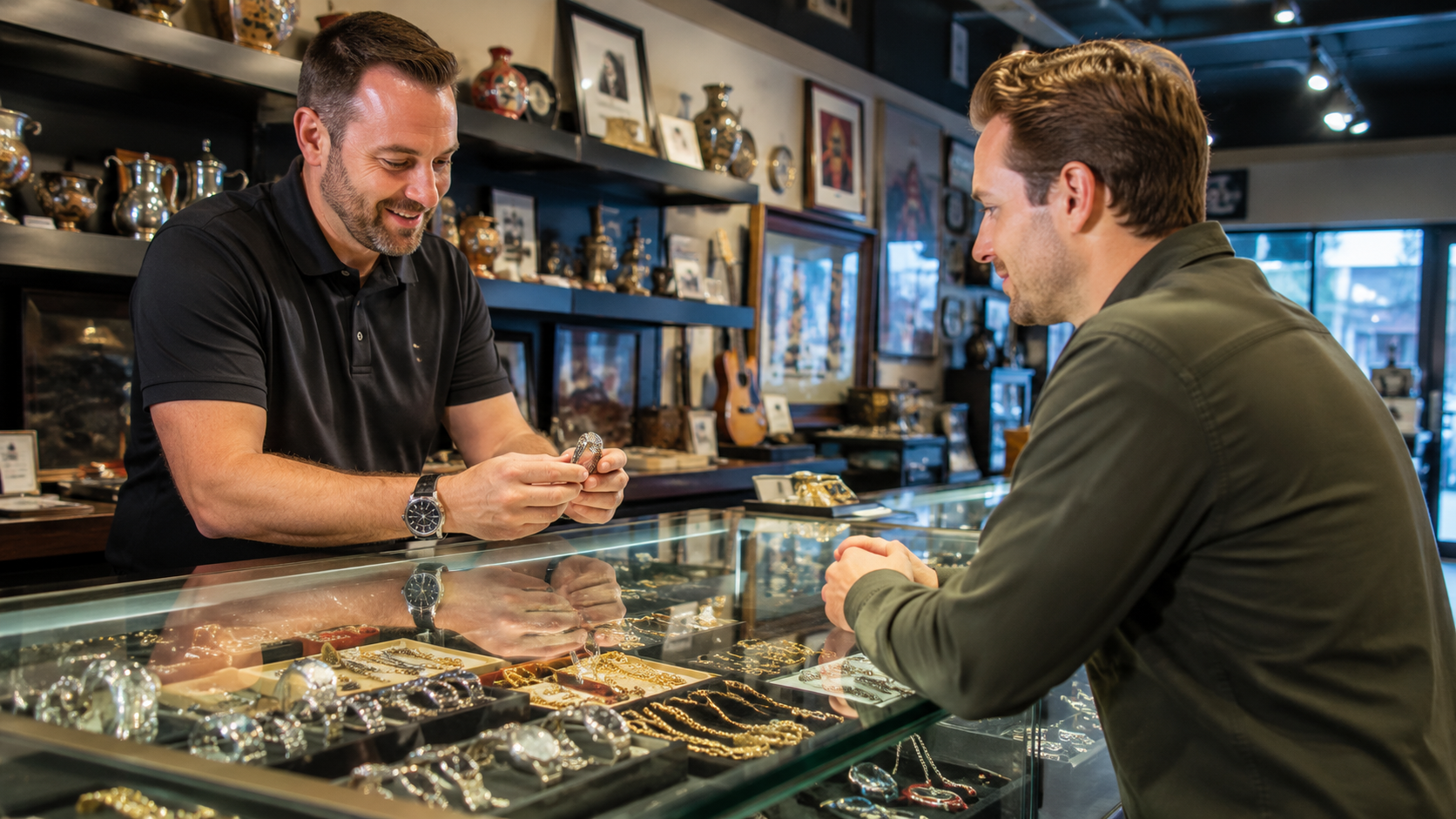
Local dealers offer advantages that online platforms can’t match. Face-to-face transactions allow buyers to inspect coins before purchase, ask questions about grading and provenance, and build relationships that lead to better pricing over time. Phoenix dealers with brick-and-mortar locations near landmarks like the Biltmore Fashion Park or along Camelback Road have reputations to protect, which incentivizes fair dealing and accurate representations.
Online sellers, while convenient, carry risks. Buyers must trust photos, rely on return policies that may not cover buyer’s remorse, and wait for shipping. For high-value transactions—especially those involving rare or graded coins—meeting a dealer in person reduces fraud risk and provides immediate verification. Many Phoenix collectors prefer to work with established local businesses that offer appraisals, authentication, and ongoing market guidance.
Arizona’s relatively low cost of living and favorable tax environment have attracted retirees and investors who view gold coins as both a hedge and a hobby. Whether you’re liquidating a collection to fund a renovation in Ahwatukee or building a portfolio of American Eagles in North Scottsdale, the Phoenix market offers competitive pricing, knowledgeable dealers, and a community of collectors who understand the dual appeal of precious metals and numismatic history.
When you’re ready to buy or sell gold and silver coins with confidence, Biltmore Loan offers transparent pricing, professional authentication, and decades of experience serving Phoenix-area collectors and investors. Visit https://biltmoreloanandjewelry.com/ to get a free appraisal or explore current inventory, and discover why local buyers trust Biltmore for fair market value on every transaction.
Photo by Eric Mok on Unsplash via Eric Mok.