Why Art-Backed Loans Are a Discreet Liquidity Solution
For collectors and high-net-worth individuals, fine art represents more than aesthetic value—it’s a significant financial asset. When you need immediate liquidity but aren’t ready to part with a treasured piece, using art as collateral for a short-term loan offers a sophisticated alternative to selling.
Art-backed loans have become increasingly popular among collectors, galleries, and investors who recognize the strategic value of leveraging their holdings without triggering a taxable event or losing ownership. Whether you’re seeking capital for a business opportunity, managing cash flow between transactions, acquiring additional pieces for your collection, or addressing an unexpected financial need, collateral loans secured by fine art provide flexible, confidential financing.
The process is streamlined and discreet, designed for individuals who value both efficiency and privacy in their financial transactions.
The Three-Step Process for Art Collateral Loans
Step 1: Select the Artwork You’ll Use as Collateral
Begin by reviewing your collection and identifying a piece that balances significant market value with your willingness to temporarily relinquish possession. While the financial value is paramount, consider the emotional attachment and provenance of each work.
Understanding the inherent risk in any collateralized transaction is essential. Select a piece you would be prepared to part with should circumstances prevent loan repayment, though most borrowers successfully reclaim their art once the loan term concludes. Works by established artists with strong auction records and clear provenance typically command the most favorable loan terms.
Original paintings, sculptures, prints by recognized masters, and limited-edition works generally serve as excellent collateral. The contemporary art market has remained robust through 2026, with blue-chip artists and emerging names both maintaining strong valuations that translate well to collateral lending.
Step 2: Obtain a Professional Appraisal
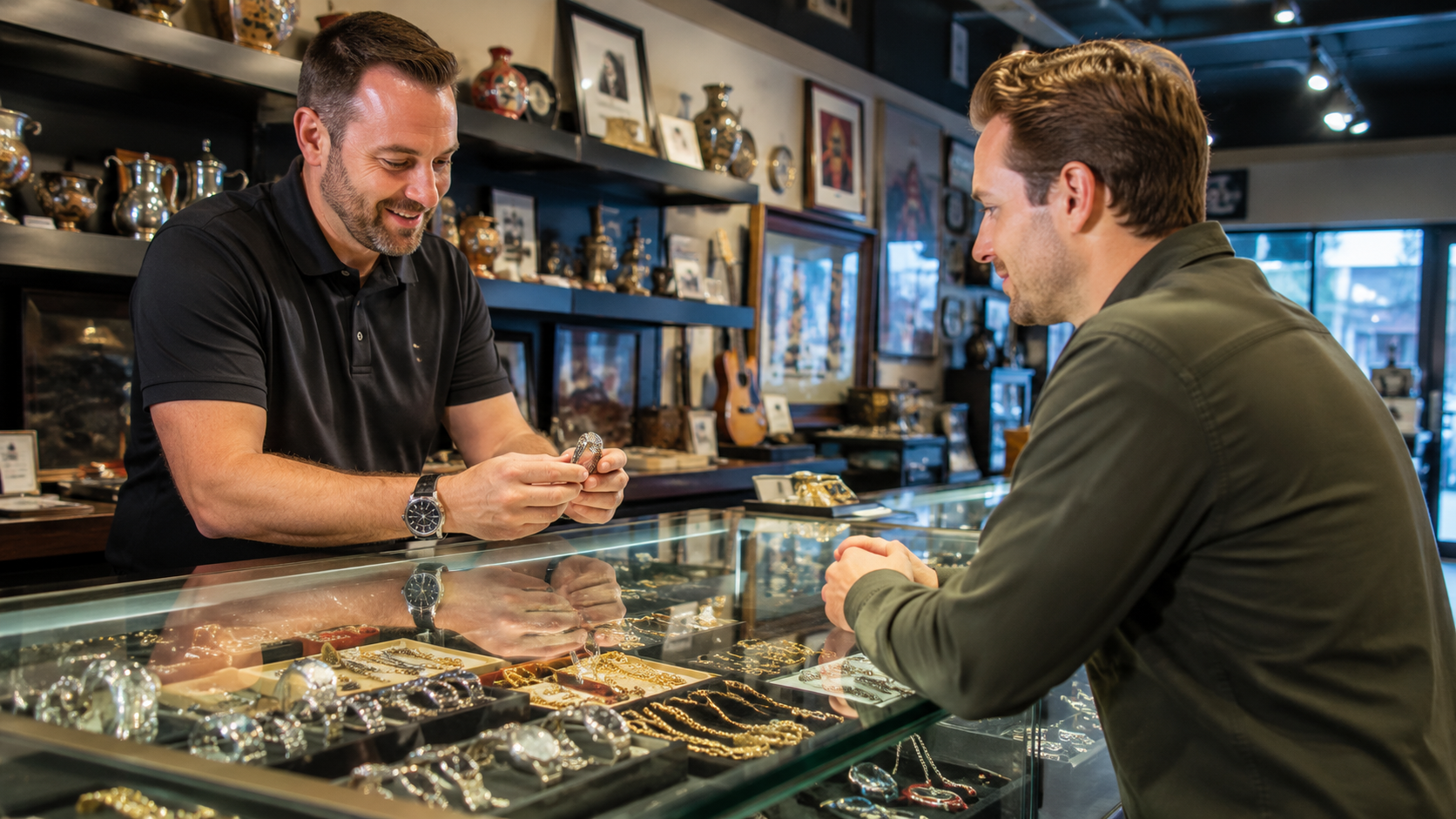
Once you’ve identified your collateral piece, the next step involves a comprehensive appraisal to establish current market value. This evaluation determines the loan amount you can access—typically a percentage of the appraised value that accounts for market volatility and liquidity considerations.
Authentication and provenance verification are critical components of the appraisal process. Bring any existing documentation including certificates of authenticity, previous appraisals, gallery receipts, exhibition history, and provenance records. These materials expedite evaluation and can positively influence the loan offer.
For preliminary assessments, you can submit high-resolution photographs along with detailed information: the artist’s name, title of the work, medium, dimensions, edition number (if applicable), and any signature or marking details. This allows the lender to provide an initial indication of loan potential before you physically present the piece.
The appraisal process for fine art can be more nuanced than evaluating standardized luxury assets like Rolex watches or precious metals, as each artwork is unique. Expert appraisers consider current auction results, private sale comparables, the artist’s market trajectory, condition reports, and broader market trends affecting the specific genre or period.
Step 3: Review Terms and Finalize Your Loan
Following appraisal, you’ll receive a formal loan offer detailing the principal amount, interest rate, loan duration, and repayment terms. This is the moment to carefully evaluate whether the arrangement aligns with your financial objectives and timeline.
Arizona collateral loans are regulated to ensure transparency, and reputable lenders provide clear documentation without hidden fees or unexpected terms. Review the agreement thoroughly, paying particular attention to the loan duration, interest calculation method, storage and insurance provisions, and the process for loan extension if needed.
If the terms meet your requirements, you can execute the agreement and receive funds immediately—often the same day. If adjustments are needed, discuss modifications with your lender or explore alternatives. The decision remains entirely yours, with no obligation beyond the appraisal conversation.
Similar to the choice between selling or taking a loan on a Rolex, art owners must weigh immediate cash needs against the desire to retain ownership and benefit from potential appreciation.
How Your Artwork Is Protected During the Loan Period
Security is paramount in art-backed lending for both parties. In most arrangements, the artwork remains in the lender’s secure, climate-controlled vault for the loan duration, ensuring professional storage that protects the piece from environmental damage, theft, or deterioration.
These facilities typically maintain museum-quality conditions with regulated temperature and humidity, professional handling protocols, and comprehensive insurance coverage. Your artwork often receives better protection than it might in a private residence.
In certain high-value transactions, particularly when the borrower maintains institutional-grade security and insurance, arrangements can sometimes be made for the borrower to retain possession while the lender’s security interest is properly registered and documented. However, this is less common for individual borrowers and typically reserved for galleries, museums, or collectors with established relationships and exceptional security infrastructure.
Modern insurance products have evolved to address the unique risks in art-backed lending, providing lenders with coverage against market volatility, authenticity disputes, and damage, which in turn allows them to offer more competitive terms to borrowers.
A Proven Financial Strategy for Art Collectors
Art-backed lending has a distinguished history among institutions and prominent collectors. In 2009, during economic uncertainty, the Metropolitan Opera leveraged two Marc Chagall murals to secure necessary financing. That same year, renowned portrait photographer Annie Leibovitz used her photographic copyrights as collateral to address mortgage obligations, demonstrating the versatility of art-based collateral.
These examples illustrate how art assets can provide crucial liquidity during challenging periods or when strategic opportunities arise. In 2026, as the art market continues to mature and lending practices become more sophisticated, art-backed loans have become an established wealth management tool rather than a solution of last resort.
For Arizona residents with significant art holdings, working with a licensed local lender who understands both the art market and state lending regulations ensures a transaction that is both legally sound and financially advantageous. The same discretion and expertise applied to evaluating luxury timepieces, diamonds, and fine jewelry extends to fine art appraisal and collateral lending.
Strategic Considerations Before Taking an Art-Backed Loan
Before proceeding with an art collateral loan, assess your broader financial picture. Consider the loan purpose, your repayment capacity within the proposed timeframe, and whether alternative liquidity sources might be more appropriate.
Art-backed loans work exceptionally well for short-term needs—bridging cash flow gaps, capitalizing on time-sensitive opportunities, or managing seasonal business fluctuations. They’re less suitable for long-term financing needs where other instruments might offer better terms.
Tax implications also merit consideration. Unlike selling, which typically triggers capital gains obligations, collateral loans provide liquidity without creating a taxable event. For appreciated artworks, this can represent substantial savings, making the loan interest cost comparatively modest.
Finally, evaluate current market conditions for your specific artwork. If the piece is likely to appreciate significantly in the near term, retaining ownership through a collateral loan rather than selling outright preserves your ability to benefit from that growth.
Your art collection represents both cultural enrichment and financial value. When leveraged strategically through professional collateral lending, these assets can help you navigate financial challenges, seize opportunities, and maintain the lifestyle and business objectives that matter most—all while preserving your collection for future enjoyment and continued appreciation.
- Family-owned Scottsdale business
- A+ rated with the BBB
- GIA-trained appraisers
- Fully insured private vault
- Same-day cash or loan
- No obligation, free appraisal
Sell It, Loan Against It — Your Choice
Sell Outright
Walk out the same day with cash in hand. Biltmore Loan and Jewelry pays market-based prices for Rolex, gold, silver, diamonds, and fine jewelry — no pressure, no obligation.
Borrow Against It
Keep your item. We’re a licensed Arizona collateral lender — short-term loans secured by your valuables. No credit check, same-day funding.
Our Most-Requested Services
- Sell Your Rolex
- Sell Gold
- Sell Silver
- Sell Diamonds
- Sell Fine Jewelry
- Collateral Loans
- Rolex Buyer — Scottsdale
- Rolex Buyer — Phoenix
- Diamond Buyer — Scottsdale
- Sell vs. Loan Guide
Get a Free Appraisal
Same-day cash or funded loan. No obligation.
Or call 480-991-5626. Walk-ins welcome at 15678 N Scottsdale Rd Suite 101, Scottsdale, AZ 85254.