Understanding the Value of an Inherited Watch Collection
Inheriting a watch collection brings a unique combination of sentiment, responsibility, and opportunity. For many Arizona families, these timepieces represent decades of careful curation, personal milestones, and refined taste. Whether you’ve inherited a modest selection of heirloom pieces or an extensive collection spanning multiple luxury brands, understanding what you have is the critical first step toward making informed decisions.
The luxury watch market in 2026 remains robust, with certain brands and models commanding exceptional resale values. However, not every timepiece in an inherited collection carries the same financial significance. Some watches appreciate steadily over time, while others hold primarily sentimental value. Knowing the difference allows you to preserve what matters most while unlocking liquidity from pieces that no longer serve your personal needs.
For high-net-worth individuals managing estate assets, an inherited watch collection represents both legacy and opportunity. The key is approaching the evaluation process with clarity, discretion, and access to expert guidance.
Conducting a Thorough Inventory
Before evaluating individual pieces, establish a complete inventory of what you’ve inherited. This organizational step provides clarity and prevents overlooking valuable timepieces that might be stored separately or require authentication.
Begin by cataloging each watch with detailed notes about brand, model reference numbers when visible, and overall condition. Photograph each piece from multiple angles, including the dial, case back, clasp, and any engravings or serial numbers. This documentation becomes invaluable when seeking professional evaluations.
Categorizing Your Collection
Group the watches into distinct categories based on brand prestige and collectibility:
- Premiere luxury brands: Rolex, Patek Philippe, Audemars Piguet, and Vacheron Constantin consistently demonstrate strong market performance and resale stability
- High-end Swiss manufacturers: Omega, Cartier, IWC, and Jaeger-LeCoultre maintain solid value retention with specific models achieving collector status
- Vintage and rare pieces: Limited editions, discontinued references, or watches with documented provenance may command premium pricing regardless of brand
- Everyday timepieces: Mid-range brands that served functional purposes but carry limited resale value beyond precious metal content
This categorization helps prioritize which pieces warrant professional evaluation and which might be better suited for personal use or donation.
Key Factors That Determine Watch Value
The luxury watch resale market operates on nuanced criteria that extend far beyond simple brand recognition. Understanding these factors helps set realistic expectations and identifies pieces with exceptional potential.
Brand Equity and Model Significance
Certain manufacturers have established themselves as blue-chip investments in the watch world. Rolex timepieces exemplify this category, with models like the Submariner, Daytona, and GMT-Master maintaining consistent demand across economic cycles. Patek Philippe complications and Audemars Piguet Royal Oak models similarly demonstrate remarkable value retention.
Within each brand, specific references achieve cult status among collectors. A Rolex Daytona with “Paul Newman” dial configuration, for instance, commands exponentially higher prices than standard production variants. Understanding these distinctions requires specialized knowledge.
Condition and Originality
The watch collecting community places enormous emphasis on originality and condition. Timepieces that retain all factory-original components—including dials, hands, bezels, and bracelets—command significant premiums over those with replacement parts, even if those replacements came from authorized service centers.
Minor scratches, worn bracelet links, and case polishing all impact value. However, condition expectations vary by era and model. Certain vintage pieces are valued precisely for their honest patina and unrestored character, while modern luxury watches require near-pristine presentation to achieve top pricing.
Documentation and Provenance
Complete documentation transforms a watch from simply authentic to fully documented. Original boxes, warranty papers, receipts, and service records can increase value by 15-30% or more, particularly for contemporary pieces. For vintage watches, documented ownership history or celebrity provenance can multiply values substantially.
If your inherited collection includes these materials, keep them together with their corresponding timepieces and ensure they’re part of any professional evaluation.
Mechanical Functionality
Operational status significantly affects marketability. A fully functional watch appeals to a broader buyer base and eliminates uncertainty about service costs. However, even non-running pieces from prestigious manufacturers maintain substantial value, as restoration by qualified watchmakers is often economically viable.
Avoid attempting repairs or battery replacements yourself. Professional buyers and collectors prefer to assess watches in their as-found condition and manage any necessary service through their own trusted channels.
Making Strategic Keep-or-Sell Decisions
An inherited watch collection often carries profound emotional significance. The timepiece your father wore daily, your grandfather’s military-issue watch, or a gift commemorating a major achievement—these pieces transcend monetary value.
Creating clear criteria for what to retain versus what to sell brings clarity to an otherwise emotional process. Consider keeping pieces that connect to specific memories, represent family milestones, or suit your personal style and lifestyle. For watches that you’re unlikely to wear or that duplicate similar styles, selling becomes a practical choice that honors the collection’s value while serving your current needs.
Many Arizona families discover they can preserve the most meaningful pieces while converting others into immediate liquidity for estate settlement, tax obligations, or personal financial goals. This balanced approach respects both heritage and practicality.
Obtaining Professional Evaluation
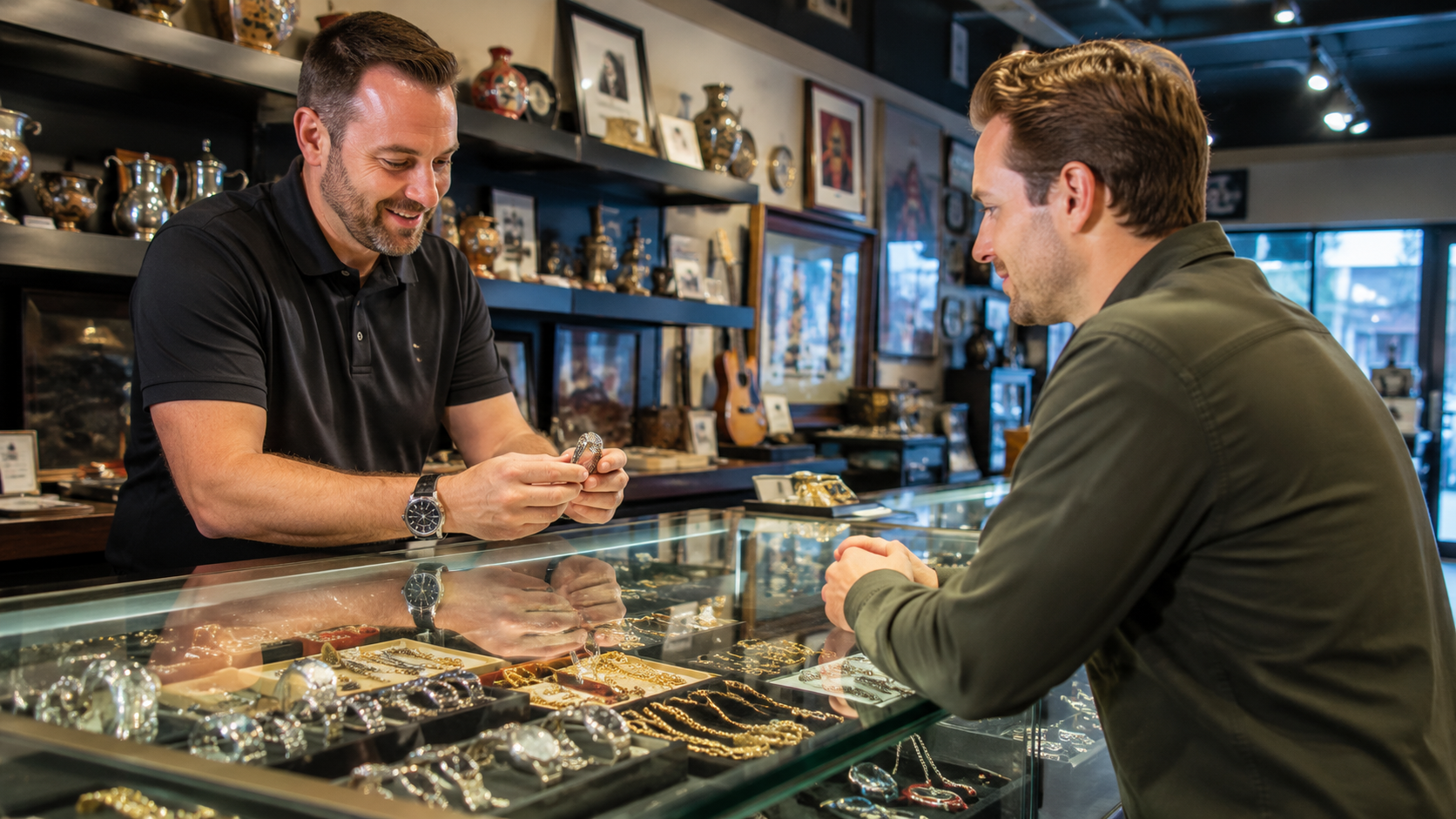
Expert assessment is essential for inherited watch collections, particularly when they include luxury timepieces or vintage models. Professional evaluators provide authentication, accurate market pricing, and identification of rare variants that may not be immediately apparent.
Reputable luxury asset buyers in Arizona offer comprehensive evaluations that examine multiple value factors simultaneously. These assessments consider current market conditions, recent comparable sales, condition nuances, and authenticity verification through detailed inspection of movements, serial numbers, and construction details.
For those considering both selling and potentially using watches as collateral for short-term loans, professional evaluation establishes the foundation for either transaction type. Understanding the full value spectrum of your collection empowers informed decision-making.
Navigating Market Dynamics in 2026
The luxury watch market demonstrates both stability and volatility depending on specific segments. Understanding current trends helps optimize timing and channel selection for selling inherited pieces.
Enduring Value Leaders
Rolex continues dominating the pre-owned luxury watch market, with sports models—particularly those in stainless steel—maintaining exceptional demand. The Submariner, GMT-Master, and Daytona represent benchmark investment-grade timepieces. Patek Philippe complications and certain Audemars Piguet references similarly demonstrate consistent market strength.
These brands benefit from controlled production, meticulous quality standards, and decades of brand equity that transcends fashion cycles. Inherited pieces from these manufacturers typically justify immediate professional evaluation.
Market Fluctuations and Timing Considerations
While blue-chip watches maintain long-term stability, short-term market dynamics affect pricing. The 2024-2025 period saw normalization after unprecedented pandemic-era price inflation, with many models settling into sustainable value ranges.
For inherited collections, timing considerations balance multiple factors. Estate settlement timelines, tax implications, and personal liquidity needs often outweigh waiting for optimal market conditions. However, if circumstances permit flexibility, consulting with knowledgeable buyers about current market positioning for specific models can inform strategic timing.
Selecting the Appropriate Selling Channel
Multiple pathways exist for monetizing inherited watch collections, each offering distinct advantages and trade-offs.
Direct Sale to Established Buyers
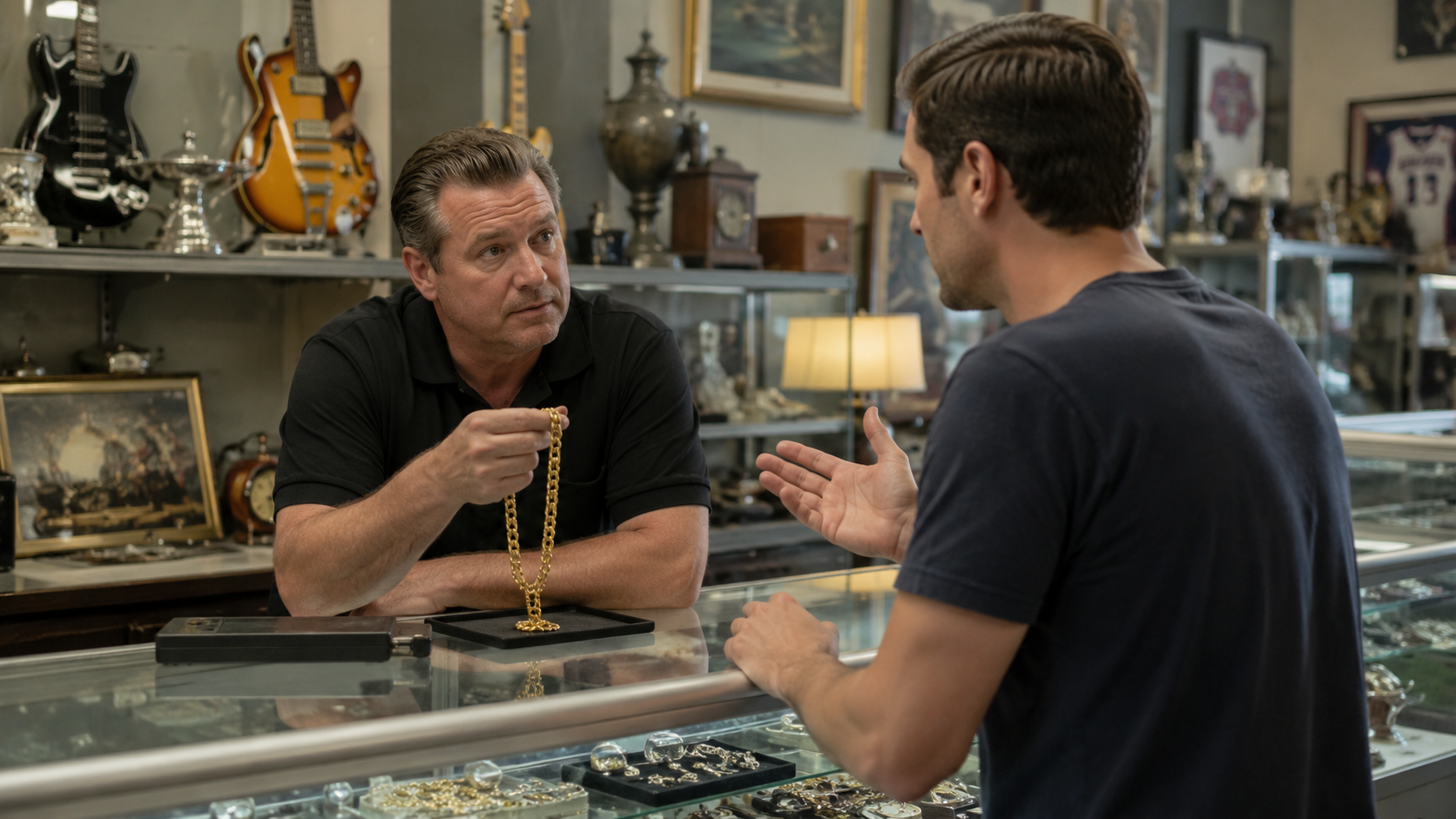
Working with licensed, reputable luxury asset buyers provides immediate liquidity, transparent pricing, and eliminates transaction uncertainty. This approach particularly suits those managing estate timelines or preferring discrete, professional transactions. Established Scottsdale buyers specializing in luxury watches offer expertise in authentication, fair market pricing, and secure payment.
This channel also provides flexibility for those weighing whether to sell outright or use watches as collateral for short-term financing needs while preserving eventual ownership.
Auction Houses
For exceptionally rare pieces, documented vintage watches, or complete collections with cohesive themes, auction houses access global collector markets. However, this channel involves longer timelines, seller premiums, and outcome uncertainty. Reserve prices and buyer’s premiums reduce net proceeds, making this path most suitable for museum-quality pieces rather than standard luxury models.
Consignment Arrangements
Consignment through specialized dealers potentially achieves retail-level pricing but extends sales timelines to months or longer. This approach works best when maximizing individual piece value outweighs liquidity timing, and when you’re comfortable with extended holding periods.
Preservation Strategies for Retained Pieces
Watches you choose to keep require appropriate care to maintain both sentimental and financial value. Mechanical timepieces particularly benefit from regular maintenance and proper storage.
Store watches in stable environments away from extreme temperatures, humidity, and magnetic fields. Original boxes provide ideal protection, or invest in quality watch cases with individual cushions. For mechanical watches worn infrequently, consider watch winders to maintain movement lubrication and accuracy.
Establish service relationships with qualified watchmakers for periodic maintenance. Luxury mechanical watches typically benefit from servicing every 5-7 years, though this varies by manufacturer and usage patterns. Maintain service records, as documentation of proper maintenance enhances resale value if you eventually decide to sell.
Strategic Considerations for High-Net-Worth Estates
Inherited watch collections intersect with broader estate planning, tax strategy, and asset allocation considerations. The decision to liquidate, retain, or use timepieces as financial instruments should align with comprehensive wealth management objectives.
For some families, converting inherited watches to cash provides estate liquidity for tax obligations or equitable distribution among heirs. Others recognize specific pieces as appreciating assets worthy of continued holding. Certain situations benefit from using luxury watches as collateral for short-term loans, preserving ownership while accessing capital for time-sensitive opportunities.
Consulting with financial advisors, estate attorneys, and luxury asset specialists ensures inherited watch collections are managed as the valuable assets they represent, integrated thoughtfully into broader financial planning.
Moving Forward with Confidence
An inherited watch collection represents your family’s history, taste, and values preserved in mechanical artistry. Whether you choose to wear these timepieces daily, preserve them for future generations, or convert them to current financial utility, approaching the process with knowledge and expert guidance ensures outcomes that honor both heritage and practical needs.
The luxury watch market in Arizona offers sophisticated buyers who understand the intersection of sentiment and value that inherited collections represent. By taking inventory thoughtfully, obtaining professional evaluation, and making strategic decisions aligned with your personal and financial objectives, you transform inheritance into opportunity while respecting the legacy these timepieces carry.
- Family-owned Scottsdale business
- A+ rated with the BBB
- GIA-trained appraisers
- Fully insured private vault
- Same-day cash or loan
- No obligation, free appraisal
Sell It, Loan Against It — Your Choice
Sell Outright
Walk out the same day with cash in hand. Biltmore Loan and Jewelry pays market-based prices for Rolex, gold, silver, diamonds, and fine jewelry — no pressure, no obligation.
Borrow Against It
Keep your item. We’re a licensed Arizona collateral lender — short-term loans secured by your valuables. No credit check, same-day funding.
Our Most-Requested Services
- Sell Your Rolex
- Sell Gold
- Sell Silver
- Sell Diamonds
- Sell Fine Jewelry
- Collateral Loans
- Rolex Buyer — Scottsdale
- Rolex Buyer — Phoenix
- Diamond Buyer — Scottsdale
- Sell vs. Loan Guide
Get a Free Appraisal
Same-day cash or funded loan. No obligation.
Or call 480-991-5626. Walk-ins welcome at 15678 N Scottsdale Rd Suite 101, Scottsdale, AZ 85254.