Understanding the Emotional and Financial Value of Relationship Jewelry
Breakups and divorces leave behind more than memories. They often leave tangible reminders in the form of jewelry—engagement rings, anniversary gifts, or pieces exchanged during happier times. These items can occupy an uncomfortable space in your life: too valuable to discard, too laden with the past to wear comfortably.
For high-net-worth individuals in Arizona, these pieces often represent significant financial assets as well as emotional artifacts. Whether it’s a three-carat diamond solitaire, a Cartier love bracelet, or a custom-designed piece from a renowned jeweler, the question eventually surfaces: should you continue holding onto jewelry from a previous relationship, or is it time to convert it into liquidity?
The decision to sell jewelry from a past relationship is deeply personal, but it’s also increasingly common. In 2026, more individuals are choosing to view these pieces through a pragmatic lens, recognizing that fine jewelry represents dormant capital that could serve better purposes in their present circumstances.
Why Affluent Individuals Choose to Sell Relationship Jewelry
The motivations for selling relationship jewelry extend beyond simple financial need. For individuals with substantial assets, the decision typically reflects a combination of emotional readiness and strategic wealth management.
Emotional Closure and Psychological Freedom
Jewelry carries symbolic weight. An engagement ring that once represented commitment can become a daily reminder of disappointment or loss. For many, the presence of these pieces in a safe deposit box or jewelry vault creates a subtle psychological burden—a connection to a chapter they’ve consciously moved beyond.
Selling provides tangible closure. The act of converting a physical reminder into liquid assets can mark a definitive transition point, allowing you to invest that energy into present relationships, personal growth, or new ventures. It’s not about erasing history; it’s about refusing to let the past occupy valuable space in your present.
Strategic Asset Reallocation
High-net-worth individuals understand opportunity cost. Valuable jewelry sitting unworn represents capital that could be deployed more effectively. In 2026’s economic environment, that capital might be better allocated to investment opportunities, real estate acquisitions, or even funding a passion project that aligns with your current identity.
A $50,000 engagement ring gathering dust represents not just stored value, but missed opportunity. Converting it to cash creates immediate liquidity for strategic purposes while eliminating the ongoing costs of insurance and secure storage.
Simplifying Your Estate
Estate planning often reveals uncomfortable truths about inherited jewelry. Pieces from previous relationships can create confusion for heirs and complicate asset distribution. Many individuals choose to liquidate these items preemptively, simplifying their estate while maintaining control over the proceeds during their lifetime.
Recognizing When You’re Ready to Sell
There’s no prescribed timeline for this decision. Some individuals are ready within months of a separation; others take years. The right moment is less about elapsed time and more about your emotional relationship with the pieces.
Consider these indicators that you may be ready:
- The jewelry has remained unworn and largely forgotten for over a year
- You’ve moved into a new relationship and the pieces feel inappropriate
- Seeing or thinking about the items generates stress rather than nostalgia
- You have clear uses for the capital that would serve your current goals
- You’ve completed other aspects of emotional closure and this feels like a natural next step
- The pieces no longer align with your current aesthetic or lifestyle
Sometimes the decision crystallizes when you realize the jewelry has transitioned from a meaningful keepsake to simply an expensive item you’re obligated to maintain and insure.
Distinguishing Sentiment from Financial Reality
One of the most valuable steps in this process is obtaining a current, professional appraisal. Understanding the actual market value of your jewelry in 2026 provides necessary perspective and helps separate emotional attachment from financial reality.
The retail price originally paid for an engagement ring, for instance, typically differs substantially from its resale value. Factors like diamond market conditions, gold prices, brand premiums, and style trends all influence current worth. A piece purchased for $40,000 in 2018 might have appreciated, depreciated, or remained relatively stable depending on these variables.
Working with an established buyer provides this clarity. Professional evaluators assess the actual characteristics that determine value: carat weight, clarity, color, cut quality for diamonds; metal purity and weight; brand provenance; and current market demand for specific styles.
This knowledge transforms an emotionally-charged possession into a quantifiable asset, making rational decision-making considerably easier.
Alternatives to Selling: Other Options to Consider
Selling isn’t the only path forward. Depending on your circumstances and the nature of the jewelry, several alternatives exist:
Redesigning and Repurposing
An engagement ring can be transformed into a pendant, earrings, or a right-hand cocktail ring. This approach preserves the material value while creating something entirely new, unburdened by previous associations. Scottsdale’s luxury jewelry designers specialize in these transformations, though this option requires both upfront investment and a desire to retain the physical materials.
Gifting to Family Members
If the piece carries family significance—perhaps an heirloom stone or a design your daughter admires—transferring ownership can honor that connection while removing it from your immediate environment. This works best when the recipient has no conflicting emotional associations with your previous relationship.
Taking a Collateral Loan
If you need liquidity but aren’t emotionally ready for permanent separation, collateral loans offer a middle path. You receive immediate cash based on the jewelry’s value while retaining the option to reclaim it later. This approach provides time for reflection while still accessing the asset’s financial value.
How to Sell Relationship Jewelry in Scottsdale
When you’ve decided to sell, the process itself should be straightforward, discreet, and professionally handled. For Arizona residents, particularly those in the Scottsdale and Phoenix metro area, working with an established local buyer offers significant advantages over online platforms or consignment arrangements.
Preparing Your Jewelry for Sale
Gather any documentation you have: original receipts, certificates from GIA or other gemological laboratories, previous appraisals, and any provenance information. These materials substantiate quality claims and can positively influence offers, though their absence doesn’t preclude a sale.
For diamond jewelry, GIA certificates command particular respect in the market. If your piece lacks certification, reputable buyers can often arrange for this evaluation, though it may affect the timeline or initial offer structure.
Choosing the Right Selling Method
Several channels exist for selling diamonds and fine jewelry, each with distinct advantages and drawbacks:
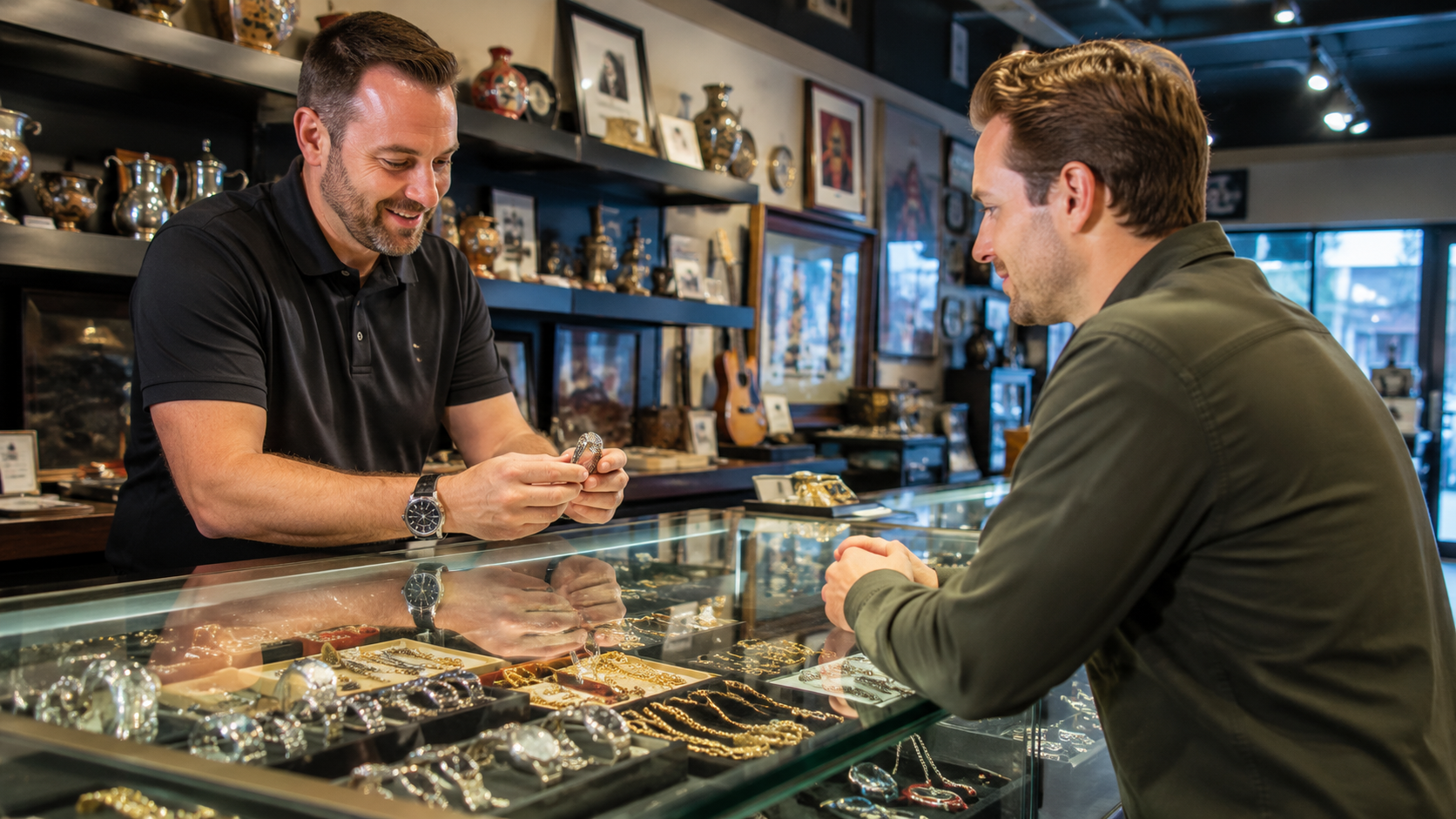
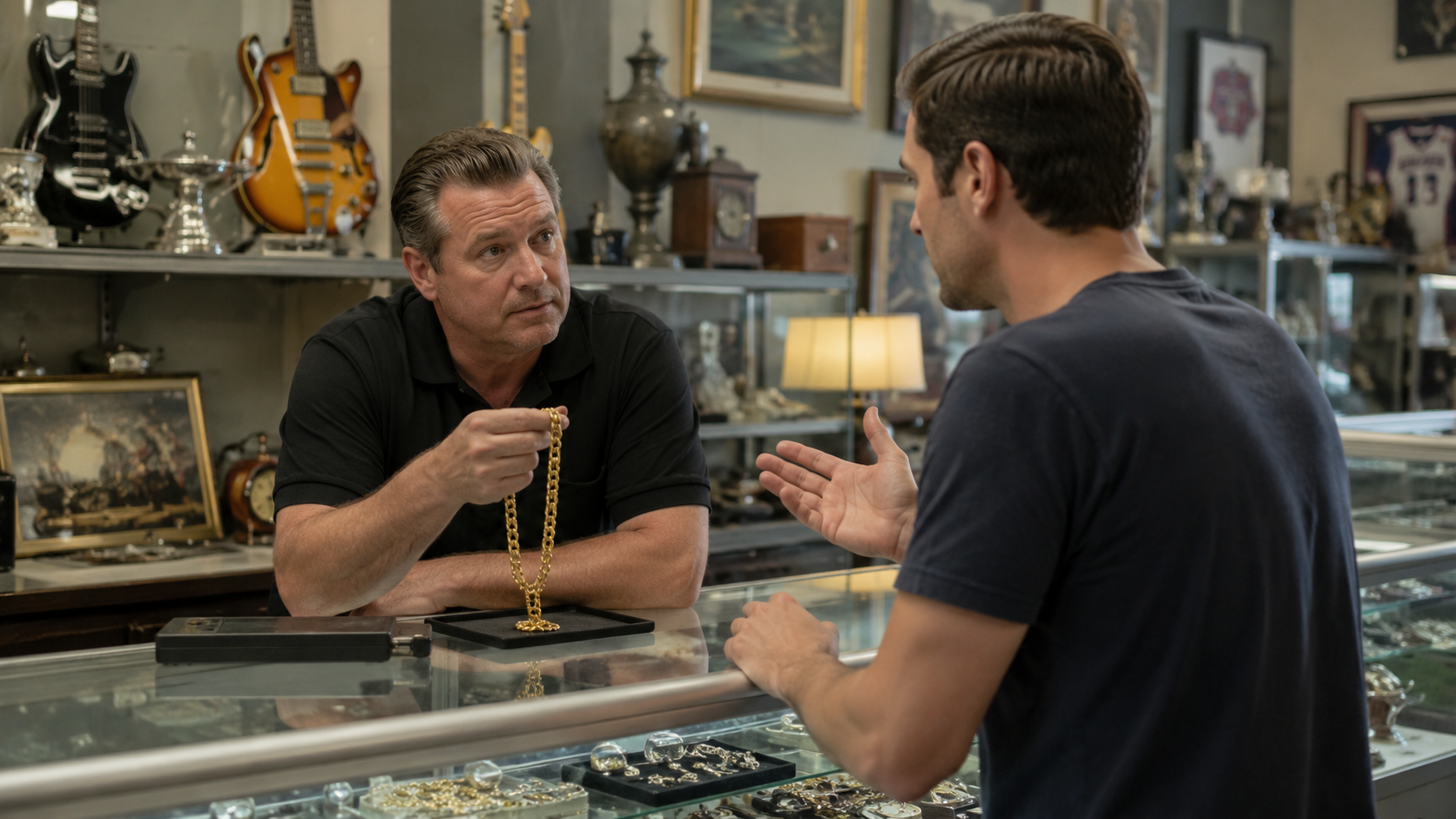
Established local buyers like Biltmore Loan and Jewelry offer immediate evaluation, competitive cash offers, and transaction completion within hours rather than weeks. This approach maximizes convenience and privacy while ensuring professional handling of high-value assets. The personal interaction also allows for negotiation and immediate answers to questions about valuation methodology.
Online platforms expand your potential buyer pool but introduce complexity, security concerns, and shipping risks. For high-value pieces, many sellers feel uncomfortable mailing jewelry worth tens of thousands of dollars, even with insurance. The impersonal nature of these transactions also eliminates the ability to read buyer credibility through face-to-face interaction.
Consignment arrangements with jewelry retailers can work when you’re not time-constrained and the piece has strong retail appeal. However, consignment typically involves extended timelines, ongoing carrying costs, and significant commissions that reduce your net proceeds.
For most high-net-worth individuals, the combination of speed, security, and fair pricing offered by established local buyers represents the optimal balance.
Understanding the Valuation Process
Professional jewelry buyers evaluate pieces based on objective criteria: metal weight and purity, gemstone characteristics, brand value, and current market conditions. In 2026, factors like sustainable sourcing and lab-grown diamond proliferation continue influencing the market for certain pieces.
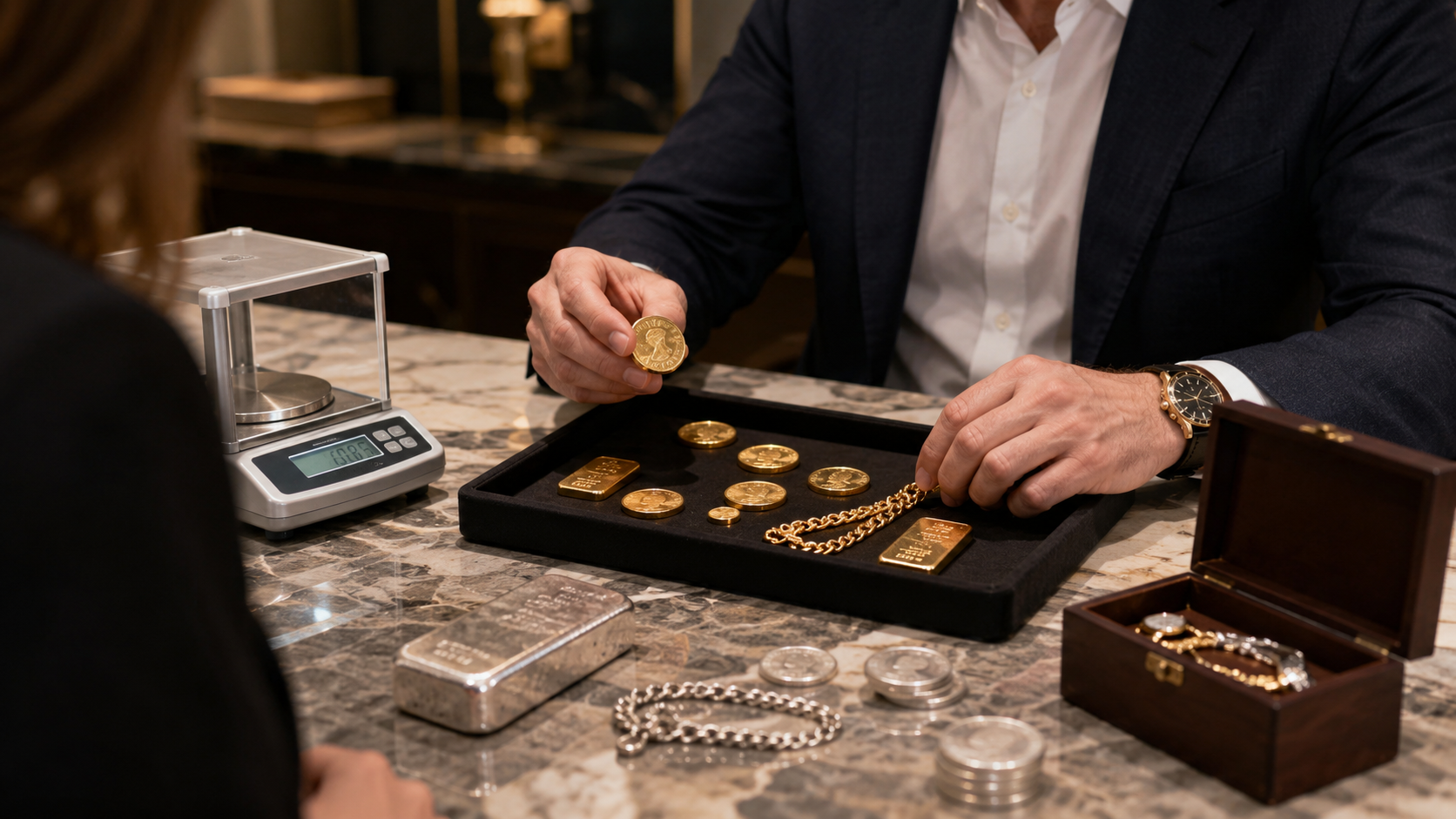
Expect the evaluation to take 15-30 minutes for most items. The buyer will test metals, examine stones under magnification, verify any stated characteristics, and assess condition. They’ll then present an offer based on these findings and current market conditions.
Remember that retail markup—often 2-3x wholesale cost—means resale values naturally fall below original purchase prices. This isn’t devaluation; it simply reflects the difference between retail and wholesale markets.
Navigating the Emotional Dimensions
Even when intellectually certain about selling, you may experience unexpected emotions during the actual transaction. This is entirely normal. The piece represented significant moments in your life, regardless of how that relationship concluded.
Some strategies for managing this emotional dimension:
Give yourself permission to feel whatever arises without judgment. Sadness, relief, anger, or even indifference are all valid responses.
Consider bringing a trusted friend who can provide support and perhaps offer perspective if you experience last-minute hesitation.
Focus on what you’re gaining rather than what you’re releasing. Perhaps the proceeds will fund a long-desired trip, contribute to a child’s education, or simply provide satisfying liquidity.
Recognize that selling doesn’t invalidate the positive aspects of the relationship or the joy the piece once brought you. It simply acknowledges that its role in your life has concluded.
Many people report feeling unexpectedly lighter after completing the sale—as if they’ve released not just an object, but the psychological weight it carried.
Making the Decision With Confidence
Ultimately, you’ll know the timing is right when the prospect of selling generates more relief than anxiety, when you can envision what you’ll do with the proceeds, and when the jewelry feels more like an obligation than a treasure.
The decision becomes clearer when you frame it properly: you’re not abandoning memories or diminishing what once mattered. You’re making a practical choice about how to allocate valuable assets in service of your current life and future goals.
For many individuals, converting that engagement ring or anniversary bracelet into capital that funds new experiences, investments, or simply provides financial flexibility represents a powerful form of agency—a conscious choice to direct resources toward what matters now rather than what mattered then.
Practical Steps for a Seamless Transaction
When you’re ready to proceed:
- Document everything. Photograph your pieces and gather any paperwork before visiting a buyer
- Get multiple perspectives. If you’re uncertain about value, consulting two reputable buyers provides useful comparison points
- Ask questions. Professional buyers should explain their valuation methodology clearly and answer concerns thoroughly
- Verify credentials. Work with licensed, established businesses with verifiable reputations
- Understand the offer. Ensure you know exactly what you’ll receive and in what form (cash, check, wire transfer)
- Consider timing. Precious metal and gemstone markets fluctuate; if you’re not time-constrained, basic market awareness can optimize your proceeds
The transaction itself should feel professional, respectful, and appropriately confidential. This isn’t a pawn shop experience; it’s a sophisticated financial transaction involving valuable assets.
Creating Space for What’s Next
A previous relationship doesn’t define your future, and neither does the jewelry it produced. You determine what role these pieces play in your ongoing story—and choosing to sell them is a legitimate, often empowering decision.
When handled properly, selling relationship jewelry accomplishes multiple objectives simultaneously: it converts dormant assets into working capital, eliminates the psychological burden of unwanted reminders, simplifies your holdings, and creates tangible closure on a completed chapter.
The process doesn’t need to be complicated or emotionally fraught. With the right buyer, it can be as straightforward as an appraisal, a fair offer, and a handshake—a clean transaction that honors both the financial value of the pieces and the personal significance of moving forward.
What matters most isn’t the jewelry itself, but the life you’re building now and the future you’re creating. Sometimes the most valuable thing a piece from your past can offer is the freedom and resources to invest in what comes next.
- Family-owned Scottsdale business
- A+ rated with the BBB
- GIA-trained appraisers
- Fully insured private vault
- Same-day cash or loan
- No obligation, free appraisal
Sell It, Loan Against It — Your Choice
Sell Outright
Walk out the same day with cash in hand. Biltmore Loan and Jewelry pays market-based prices for Rolex, gold, silver, diamonds, and fine jewelry — no pressure, no obligation.
Borrow Against It
Keep your item. We’re a licensed Arizona collateral lender — short-term loans secured by your valuables. No credit check, same-day funding.
Our Most-Requested Services
- Sell Your Rolex
- Sell Gold
- Sell Silver
- Sell Diamonds
- Sell Fine Jewelry
- Collateral Loans
- Rolex Buyer — Scottsdale
- Rolex Buyer — Phoenix
- Diamond Buyer — Scottsdale
- Sell vs. Loan Guide
Get a Free Appraisal
Same-day cash or funded loan. No obligation.
Or call 480-991-5626. Walk-ins welcome at 15678 N Scottsdale Rd Suite 101, Scottsdale, AZ 85254.