Understanding 22K and 24K Gold: Purity, Returns, and Investment Value
Gold purity determines far more than appearance. When you’re evaluating high-karat gold jewelry—whether to wear, hold as an asset, or leverage for liquidity—the difference between 22K and 24K directly impacts resale value, collateral loan amounts, and long-term returns. For individuals managing significant wealth through tangible assets, understanding these distinctions is essential.
The question isn’t simply which karat is “better.” It’s about matching the gold’s characteristics to your specific financial objectives. Are you acquiring jewelry as a wearable store of value? Planning to liquidate when market conditions favor sellers? Or do you need short-term capital while preserving ownership? Each scenario rewards different choices.
What Separates 22K from 24K Gold
Gold purity is expressed in karats, with 24K representing pure gold—99.9% or higher. Any karat rating below 24K contains deliberately added alloys that modify the metal’s physical properties.
24K Gold: Pure gold with the characteristic deep yellow color. Highly malleable and soft, 24K is traditionally reserved for investment-grade pieces, ceremonial jewelry, and bullion. Its softness makes it susceptible to scratches and deformation, which historically limited its use in Western fine jewelry.
22K Gold: Contains approximately 91.6% pure gold, with the remaining 8.4% composed of strengthening alloys such as copper, silver, or zinc. This composition retains the rich yellow color while significantly improving durability and resistance to daily wear.
Both purities command premium pricing, but they serve different purposes within a diversified luxury asset portfolio.
Durability and Daily Wearability
The perception that 24K gold is too soft for jewelry is partially a Western market convention. In Asian and Middle Eastern markets—particularly China, India, Singapore, and the UAE—master jewelers routinely create intricate 24K pieces including necklaces, bangles, and even delicate filigree work. Advanced fabrication techniques and careful design allow these pieces to function as both adornment and portable wealth.
High-net-worth individuals in these regions frequently wear 24K jewelry daily, accepting that pure gold requires more careful handling. The trade-off is owning jewelry that retains maximum intrinsic value independent of design trends or brand premiums.
22K gold jewelry offers enhanced durability without sacrificing the distinctive appearance of high-purity gold. The alloy content provides structural integrity for more complex designs and better withstands the stresses of regular wear. For clients who want jewelry that functions reliably as both accessory and asset, 22K often represents the optimal balance.
Are High-Karat Golds Too Soft for Fine Jewelry?
The answer is context-dependent. In the United States and Europe, most jewelers work primarily with 14K and 18K gold due to consumer preferences for durability and the prevalence of tension-set gemstones requiring harder metal. This doesn’t mean 22K and 24K are unsuitable—it reflects regional market conventions.
When you purchase 22K or 24K jewelry from established international jewelers, you’re acquiring pieces engineered for their specific purity level. Construction techniques, clasp mechanisms, and design proportions account for the metal’s characteristics. The result is jewelry that performs reliably when properly maintained.
Comparing Returns: Which Gold Purity Pays More
From a pure financial perspective, higher purity directly translates to higher returns when selling or using jewelry as collateral.
24K Gold Jewelry: Because 24K is essentially pure gold, its value tracks directly with spot gold prices. When you sell gold, buyers calculate offers based on weight and current market rates with minimal deductions. The only adjustments typically involve small refining fees or testing costs, but these are minor compared to lower-karat pieces.
In early 2026, with gold trading between $2,800 and $3,200 per troy ounce depending on market conditions, a 50-gram 24K necklace contains approximately 1.6 troy ounces of pure gold. At $3,000 per ounce, its intrinsic value is roughly $4,800 before any premium for craftsmanship or provenance.
22K Gold Jewelry: The 91.6% purity means returns are proportionally lower per gram. That same 50-gram piece in 22K contains approximately 1.47 troy ounces of pure gold—about 8.4% less. At the same $3,000 spot price, its gold content value is approximately $4,410.
The difference becomes more pronounced with heavier pieces or when gold prices surge. For clients focused exclusively on maximum financial returns, 24K jewelry functions essentially as wearable bullion. For those who value the durability advantage of 22K, the slightly lower returns may be acceptable.
Design Value Versus Melt Value
Exceptional craftsmanship can command premiums above melt value, particularly for 22K pieces from renowned jewelers or pieces with cultural significance. However, most buyers evaluating gold jewelry for purchase or collateral focus primarily on gold content rather than artistry.
If you’re acquiring gold jewelry as an investment vehicle rather than for personal enjoyment, understand that intricate design work may not proportionally increase resale value. The gold itself—its weight and purity—drives the baseline valuation.
Collateral Loan Considerations for High-Purity Gold
Using gold jewelry to secure collateral loans offers immediate liquidity while preserving ownership. The evaluation process for 22K and 24K pieces follows established protocols that focus on verifiable characteristics.
Purity Verification
Professional lenders employ X-ray fluorescence analysis and other non-destructive testing methods to confirm stated purity. Hallmarks and stamps provide initial guidance, but electronic testing removes ambiguity. This verification protects both parties and ensures loan amounts accurately reflect the jewelry’s gold content.
Weight as the Primary Factor
Loan amounts correlate directly with gold weight. A heavier 22K chain may secure a larger loan than a lighter 24K bracelet despite the purity difference. This weight-focused approach means substantial pieces command proportionally higher loan values regardless of design complexity.
Market Price Sensitivity
Gold prices fluctuate continuously based on currency movements, geopolitical events, and investment demand. A piece appraised when gold trades at $2,900 per ounce will support a different loan amount than the same piece evaluated at $3,100 per ounce. Timing your loan application during favorable market conditions maximizes available capital.
The 24K Advantage in Collateral Lending
Pure gold’s lack of alloys simplifies valuation and reduces processing costs if the loan isn’t repaid. This efficiency often translates to slightly better loan-to-value ratios for 24K jewelry compared to 22K pieces of equivalent weight. The difference may be modest—perhaps 2-3%—but becomes meaningful with high-value items.
Calculating Your Potential Loan Amount
Most established lenders offer 60-75% of an item’s liquidation value for collateral loans. If your 24K jewelry contains $5,000 in gold content at current market prices, expect loan offers in the $3,000-$3,750 range. Terms, interest rates, and specific percentages vary by lender and item characteristics.
Strategic Timing: When to Sell Versus Hold
Gold’s spot price changes continuously—multiple times per minute during active trading hours. Selling during a price trough can significantly reduce returns, particularly with heavier, higher-purity pieces where small per-ounce changes translate to substantial dollar differences.
Consider this scenario: You own a 100-gram 24K necklace purchased when gold traded at $2,700 per ounce. If you sell when prices have risen to $3,200 per ounce, you capture that $500-per-ounce appreciation. On 3.2 troy ounces of pure gold, that represents approximately $1,600 in additional return compared to selling at the original price.
Conversely, selling during a market correction—say at $2,500 per ounce—means accepting $640 less than the purchase price for that same necklace. This volatility underscores why understanding market conditions matters when liquidating precious metal assets.
For individuals who need capital but want to preserve exposure to gold price appreciation, collateral loans rather than outright sales provide an alternative. You access liquidity immediately while retaining the ability to reclaim your jewelry once prices move favorably.
Monitoring Market Indicators
Sophisticated gold investors track several indicators: the U.S. Dollar Index (as gold typically moves inversely to dollar strength), real interest rates, central bank purchasing patterns, and geopolitical risk premiums. While you don’t need to become a commodities trader, awareness of major trends helps inform timing decisions.
In 2026, factors including monetary policy normalization, inflation expectations, and global reserve diversification continue influencing gold prices. Consulting with advisors who monitor these dynamics can help optimize your liquidation or collateral lending timing.
Authenticity Verification: Protecting Your Investment
Gold’s enduring value attracts counterfeiters who employ increasingly sophisticated techniques. Plated pieces stamped as solid high-karat gold, or jewelry marked 24K that actually contains significantly less pure gold, appear regularly in both private sales and less-reputable retail channels.
When acquiring 22K or 24K jewelry, particularly from private sellers or unfamiliar dealers, insist on documentation and independent verification. Reputable sellers provide detailed specifications and welcome third-party testing.
For jewelry you already own, professional appraisal confirms authenticity before you make financial decisions based on assumed purity. The cost of verification is minimal compared to the risk of discovering your supposedly pure gold piece contains substantially less value than expected.
Making the Right Choice for Your Circumstances
Neither 22K nor 24K is universally superior—the optimal choice depends on your specific objectives and how you’ll use the jewelry.
Choose 24K when: Maximum financial returns are the priority, you’re treating jewelry primarily as a portable store of value, you appreciate the deep color of pure gold, or you’re comfortable with the care requirements of softer metal.
Choose 22K when: You want high purity with enhanced durability, you’ll wear pieces regularly and need better scratch resistance, you value the slightly improved structural integrity for complex designs, or you’re willing to accept marginally lower returns for practical advantages.
Both purities represent legitimate wealth preservation vehicles. High-karat gold jewelry combines the aesthetic and cultural significance of fine jewelry with the intrinsic value of precious metal. This dual nature—functional adornment that retains independent financial value—explains why sophisticated investors consistently include high-purity gold jewelry in diversified asset portfolios.
Professional Evaluation and Transparent Transactions
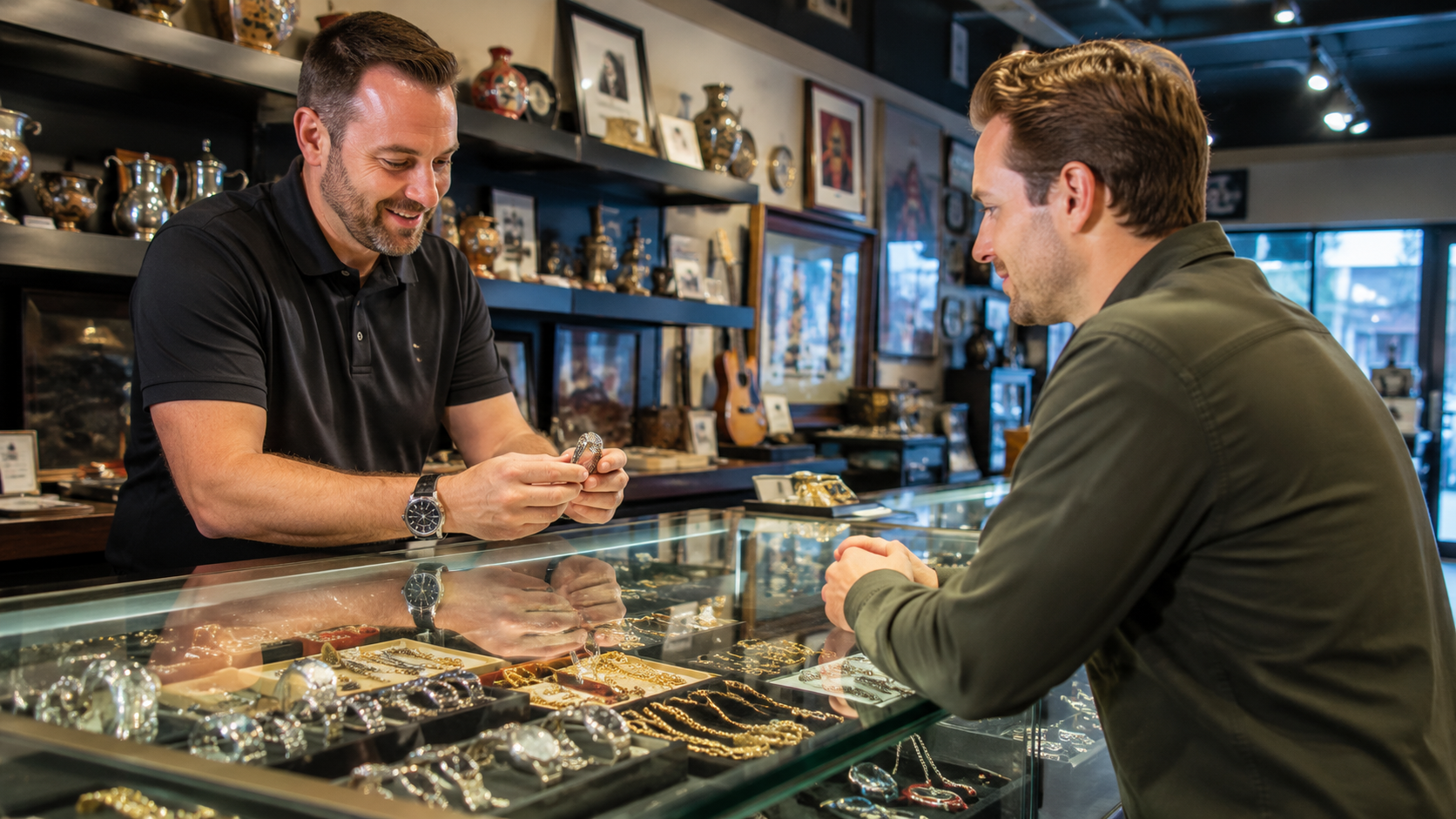
Whether you’re selling or seeking a collateral loan against 22K or 24K jewelry, working with experienced evaluators ensures you receive fair value based on accurate assessments. Professional facilities employ calibrated testing equipment, reference real-time market pricing, and provide transparent explanations of how they calculate offers.
The evaluation process should include precise weight measurement using certified scales, non-destructive purity testing via X-ray fluorescence when available, and clear documentation of current gold spot prices. You should understand exactly how much pure gold your jewelry contains and how that translates to the offered purchase price or loan amount.
For particularly valuable pieces or when you need verification before making decisions, independent appraisal from certified gemologists provides additional assurance. The investment in professional assessment protects you from undervaluing significant assets.
Both 22K and 24K gold jewelry represent serious financial assets that deserve informed management. Understanding purity’s impact on value, returns, and liquidity options ensures your decisions align with your broader wealth management strategy.
- Family-owned Scottsdale business
- A+ rated with the BBB
- GIA-trained appraisers
- Fully insured private vault
- Same-day cash or loan
- No obligation, free appraisal
Sell It, Loan Against It — Your Choice
Sell Outright
Walk out the same day with cash in hand. Biltmore Loan and Jewelry pays market-based prices for Rolex, gold, silver, diamonds, and fine jewelry — no pressure, no obligation.
Borrow Against It
Keep your item. We’re a licensed Arizona collateral lender — short-term loans secured by your valuables. No credit check, same-day funding.
Our Most-Requested Services
- Sell Your Rolex
- Sell Gold
- Sell Silver
- Sell Diamonds
- Sell Fine Jewelry
- Collateral Loans
- Rolex Buyer — Scottsdale
- Rolex Buyer — Phoenix
- Diamond Buyer — Scottsdale
- Sell vs. Loan Guide
Get a Free Appraisal
Same-day cash or funded loan. No obligation.
Or call 480-991-5626. Walk-ins welcome at 15678 N Scottsdale Rd Suite 101, Scottsdale, AZ 85254.