Understanding Investment-Grade Designer Handbags
Investment portfolios extend beyond traditional assets. Sophisticated collectors now build wealth through carefully curated designer handbag collections—portfolios that can rival the returns of precious metals and other tangible investments. Unlike speculative purchases driven by fleeting trends, investment-grade handbags appreciate through scarcity, heritage, and sustained market demand.
Building a profitable handbag portfolio requires the same disciplined approach applied to any high-value asset class. This guide outlines the strategic framework for acquiring, maintaining, and eventually liquidating designer bags that perform as true investments rather than depreciating luxury goods.
Six Core Attributes of Investment-Worthy Designer Handbags
Not every designer piece qualifies as an investment. Retail price alone does not predict resale performance. The most valuable handbags share specific characteristics that preserve and enhance value across market cycles.
Controlled Scarcity and Limited Availability
Strategic production limits create sustained demand. Hermès exemplifies this principle through deliberately restricted inventory—each Birkin and Kelly bag remains difficult to acquire even for established clients. The brand’s quota system and waitlist structure maintain artificial scarcity that supports premium resale values. Chanel employs similar tactics through seasonal purchase restrictions and boutique-specific allocations. This controlled availability prevents market saturation and preserves long-term appreciation potential.
Timeless Design Language
The Chanel Classic Flap, Dior Lady, and Louis Vuitton Neverfull represent silhouettes with enduring appeal. These designs feature distinctive elements that anchor them to brand identity while avoiding dated details. Their architectural integrity remains relevant across decades, supported by consistent celebrity endorsements and cultural visibility. Zoe Saldaña, Lady Diana, and Reese Witherspoon have all been photographed carrying these iconic pieces, reinforcing their status as timeless rather than trendy.
Material Rarity and Craftsmanship
Exotic leathers command significant premiums in the resale market. Crocodile, ostrich, and lizard skins appreciate differently than standard calfskin, particularly when maintained in excellent condition. Specialty finishes—metallic treatments, patent leather, diamond hardware—further distinguish investment pieces from standard production runs. These materials age distinctively and appeal to collectors seeking rarity within already limited production models.
Established Brand Heritage
Heritage brands dominate resale markets through decades of consistent quality and cultural relevance. Delvaux, Hermès, Chanel, Louis Vuitton, Dior, and Goyard maintain premium positioning through documented craftsmanship standards and fascinating origin stories. Buyers trust these names because their provenance is verifiable and their production methods remain largely unchanged. This institutional confidence translates directly into sustained secondary market demand.
Authentication and Condition Documentation
Complete documentation significantly impacts resale value. Original dust bags, authentication cards, dated receipts, and unblemished packaging signal proper ownership and care. Structural integrity matters equally—bent hardware, corner scuffs, interior stains, or handle wear narrow the buyer pool and reduce final offers. Investment-grade pieces require pristine to excellent condition with full provenance documentation.
Proven Market Performance
Historical data reveals which models consistently appreciate. The Hermès Birkin has outperformed gold and equities during multiple periods, while Chanel’s biannual price increases create predictable resale benchmarks. Tracking retail price evolution, auction results, and secondary market velocity identifies pieces with investment merit versus those driven by temporary hype.
Strategic Acquisition: Building Your Portfolio
Successful handbag investors approach acquisitions with clear intent. Each piece should serve a defined role within the broader collection strategy, whether providing portfolio stability or capturing emerging value opportunities.
Entry-Level Versus Anchor Pieces
Begin with accessible models that allow market observation without substantial capital commitment. The Louis Vuitton Speedy or Chanel Wallet on Chain provide entry points to monitor secondary market behavior and develop authentication expertise. These pieces build familiarity with brand pricing cycles and resale channels.
Portfolio anchors represent significant capital allocation toward proven performers. A Birkin in Togo leather or a Classic Flap in black caviar with gold hardware exemplifies this category. These pieces demonstrate lower volatility during market corrections and attract both serious collectors and professional resellers. They form the stable foundation around which speculative or limited-edition pieces can be added.
Limited Editions and Boutique Exclusives
Selective limited releases appreciate faster than seasonal collaborations. The most valuable exclusives feature classic silhouettes in rare colorways or exotic materials rather than novelty designs. The Hermès Himalayan Birkin represents the apex of this category—a timeless shape rendered in exceptionally rare Niloticus crocodile with diamond hardware. Such pieces combine scarcity with enduring design, creating compounding value over time.
Avoiding Hype-Driven Mistakes
Logo-heavy designs, celebrity collaborations, and social media-driven trends lose momentum once novelty fades. Pieces created primarily for viral visibility rarely maintain resale value beyond initial release periods. Sustainable portfolio growth comes from heritage, documentation, and proven demand patterns—not Instagram visibility or influencer endorsements.
Sourcing Investment-Grade Handbags in 2026
Acquisition channels vary significantly in authenticity guarantees, pricing transparency, and access to rare inventory. Strategic buyers understand where to allocate time and capital for optimal results.
Flagship Boutiques
Direct brand purchases eliminate authentication risk and provide complete documentation. Certain models—particularly Hermès quota bags—remain accessible only through established client relationships with sales associates. While full retail pricing reduces immediate margins, sourcing directly from brands ensures authenticity, complete packaging, and future servicing eligibility. For long-term holds, this approach provides maximum documentation and condition certainty.
Authenticated Resale Platforms
Established secondary marketplaces like The Relux, Rebag, Fashionphile, and The RealReal offer professional authentication and transaction protection. These platforms maintain detailed condition reporting and pricing histories. Look for listings graded excellent or pristine, with complete original packaging and dated purchase documentation. Platform fees reduce net proceeds when selling, but buyer confidence remains high due to standardized authentication protocols.
Auction Houses and Private Dealers
Heritage Auctions, Sotheby’s, and Christie’s provide access to archival editions and exceptional rarities. Their lots include exotic leathers and discontinued models unavailable through retail channels. Buyer premiums increase acquisition costs, but inventory quality and provenance documentation justify premium pricing for serious collectors. Vetted private dealers with verifiable sourcing may also offer pieces circulating exclusively among high-net-worth collectors.
Channels to Avoid
Unverified peer-to-peer platforms, independent social media sellers, and informal consignment arrangements carry substantial fraud risk. Without institutional authentication and buyer protection, these channels expose investors to permanent capital loss through counterfeit goods or misrepresented conditions.
Preservation Protocols for Maximum Value Retention
Proper storage, handling, and documentation practices directly impact resale value. Environmental damage, structural deterioration, and incomplete provenance reduce liquidity and final offers. Store handbags in climate-controlled spaces away from direct sunlight, using original dust bags and maintaining shape with appropriate stuffing. Preserve all receipts, authenticity cards, boxes, and serial documentation—missing paperwork decreases resale value regardless of physical condition.
Handle bags minimally if held purely for investment. Even careful use creates wear that professional buyers will identify and price accordingly. For pieces in active rotation, professional cleaning and conditioning maintain presentation standards required for premium resale positioning.
Optimal Timing for Portfolio Liquidation
Resale timing depends on brand behavior and broader market conditions. The most favorable windows open when buyers anticipate scarcity—periods immediately preceding announced price increases or following runway presentations that reignite interest in archived designs. Discontinued colorways and retired materials trigger buyer urgency as remaining inventory diminishes.
For immediate liquidity needs, direct buyers offer speed advantages over consignment timelines. Those seeking working capital while preserving long-term appreciation potential might consider collateral loans that leverage handbag value without permanent sale. This approach maintains upside exposure while accessing immediate funds—particularly valuable when market conditions favor holding rather than selling.
Portfolio Management Principles for 2026 and Beyond
Successful handbag investment requires the same analytical discipline applied to any alternative asset class. Focus acquisitions on models demonstrating consistent demand, complete documentation, and strong historical performance. Preserve condition through professional storage and minimal handling. Track brand pricing cycles, auction results, and secondary market velocity to identify optimal entry and exit points.
Avoid emotional attachment to individual pieces—portfolio decisions should reflect data and market conditions rather than personal preference. Review holdings periodically to identify underperforming assets that might be rotated into stronger opportunities. Most importantly, recognize that like precious metals and other tangible assets, designer handbags require proper authentication, documentation, and market knowledge to deliver investment-grade returns.
The most profitable handbag portfolios combine blue-chip stability from heritage anchors with selective exposure to limited editions and emerging designs. This balanced approach provides downside protection through established brands while capturing appreciation from scarcity-driven opportunities. As you build and refine your collection, remember that patience, documentation, and strategic timing separate true investment returns from speculative losses.
- Family-owned Scottsdale business
- A+ rated with the BBB
- GIA-trained appraisers
- Fully insured private vault
- Same-day cash or loan
- No obligation, free appraisal
Sell It, Loan Against It — Your Choice
Sell Outright
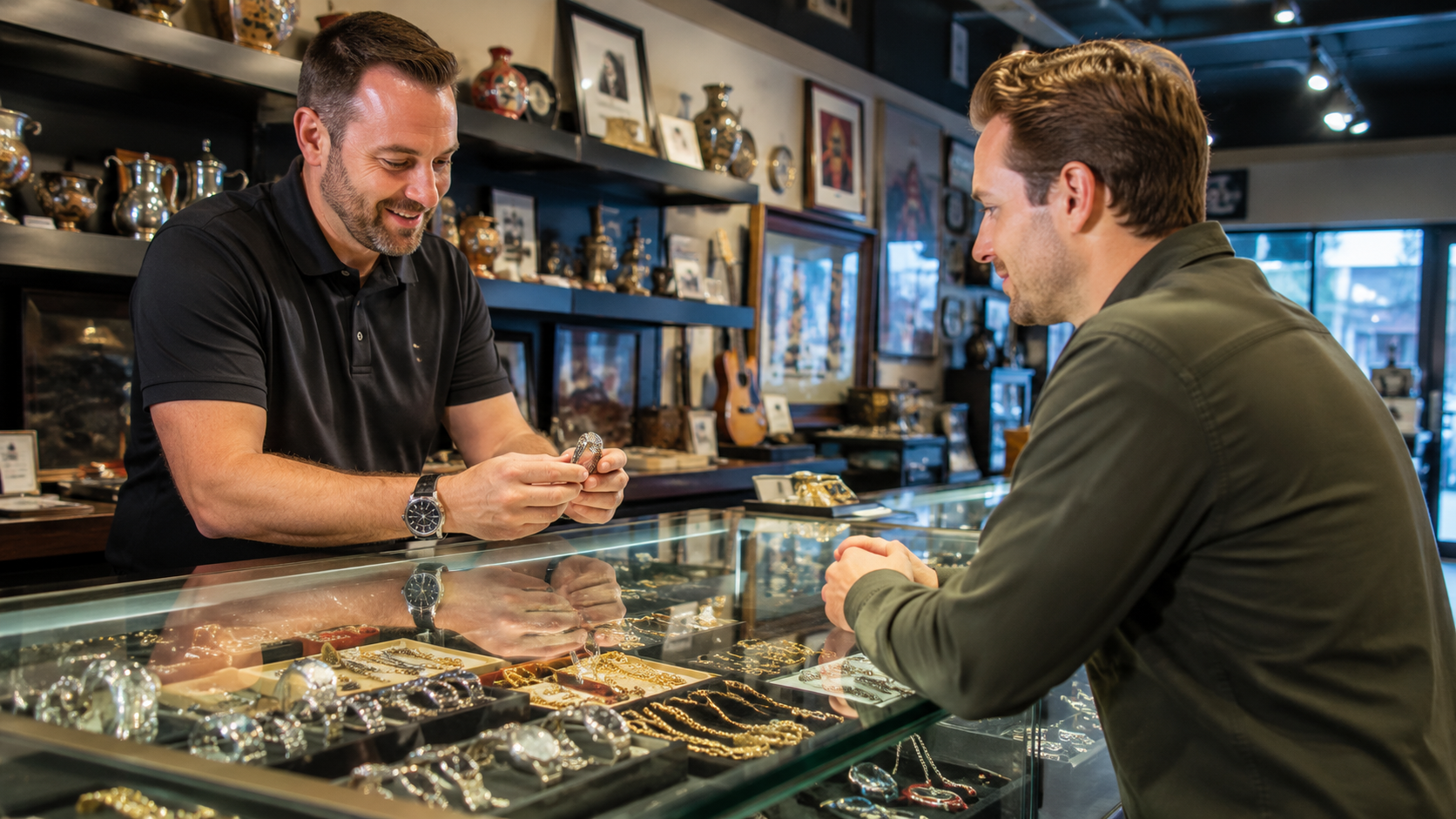
Walk out the same day with cash in hand. Biltmore Loan and Jewelry pays market-based prices for Rolex, gold, silver, diamonds, and fine jewelry — no pressure, no obligation.
Borrow Against It
Keep your item. We’re a licensed Arizona collateral lender — short-term loans secured by your valuables. No credit check, same-day funding.
Our Most-Requested Services
- Sell Your Rolex
- Sell Gold
- Sell Silver
- Sell Diamonds
- Sell Fine Jewelry
- Collateral Loans
- Rolex Buyer — Scottsdale
- Rolex Buyer — Phoenix
- Diamond Buyer — Scottsdale
- Sell vs. Loan Guide
Get a Free Appraisal
Same-day cash or funded loan. No obligation.
Or call 480-991-5626. Walk-ins welcome at 15678 N Scottsdale Rd Suite 101, Scottsdale, AZ 85254.